
If your summer power bills keep creeping up even though you already have a programmable thermostat, you are not alone. Many Wake Forest homeowners feel like they are doing everything right, but the numbers from the utility company still sting when the air conditioner runs hard for weeks at a time. On top of that, some rooms never seem quite as comfortable as you would like.
That combination of rising costs and uneven comfort is what leads many people to start looking at smart thermostats. You might have heard that they can “learn” your schedule or let you change the temperature from your phone, but you may not be sure if that really translates into lower bills or a more comfortable home in our hot, humid climate. You also may be wondering if they will work with your current air conditioner or heat pump, or if installation is as simple as it sounds on the box.
At Mechanical HVAC Services, we have been working on heating and cooling systems in Wake Forest and across the Raleigh-Durham area since 1990. We have watched thermostat technology move from simple dials, to basic programmable models, to the smart devices on the market today, and we see what actually works in real homes. In this guide, we will walk through smart thermostat benefits in practical terms so you can decide if an upgrade makes sense for your home and your system.
What Makes a Thermostat “Smart,” Not Just Programmable
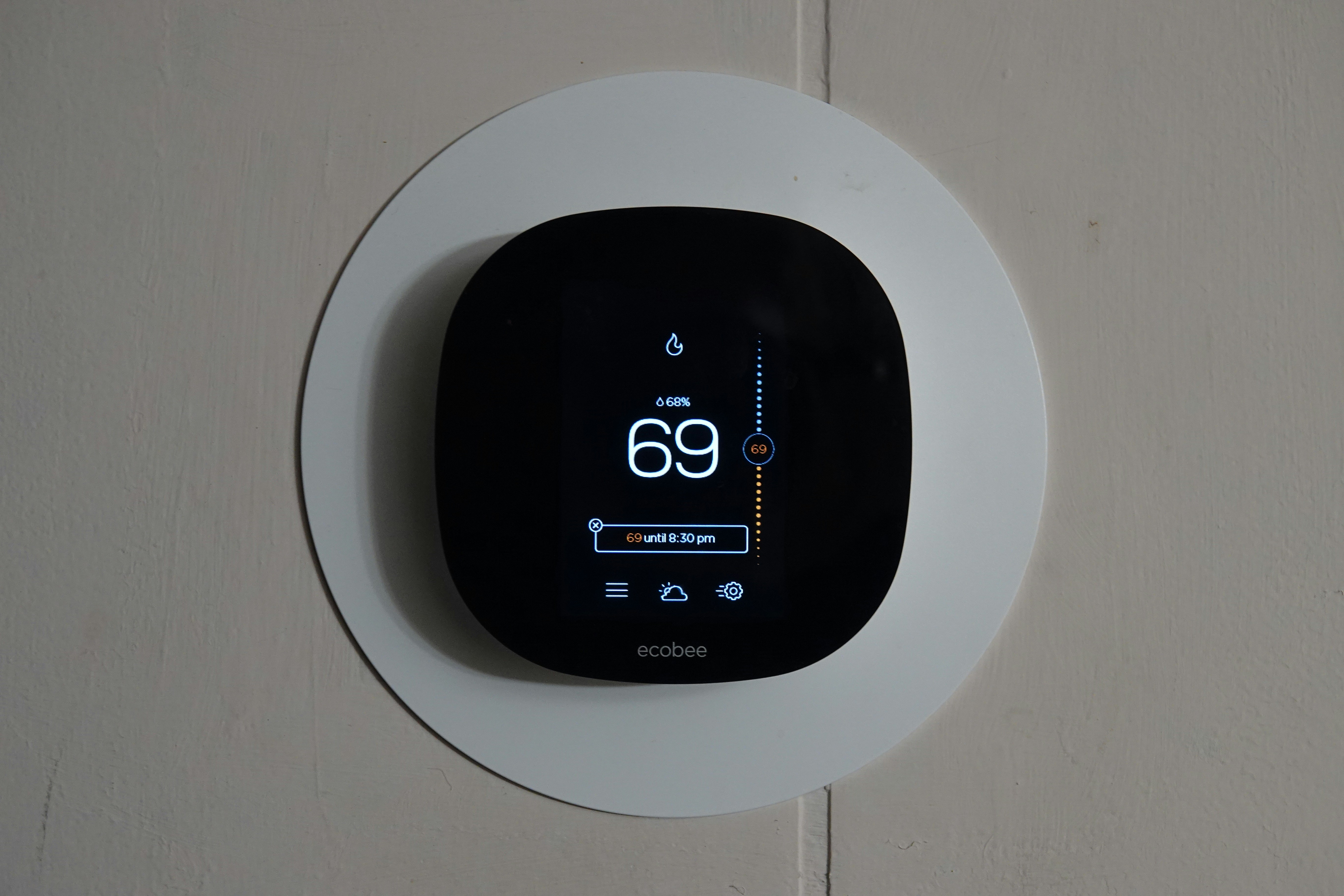
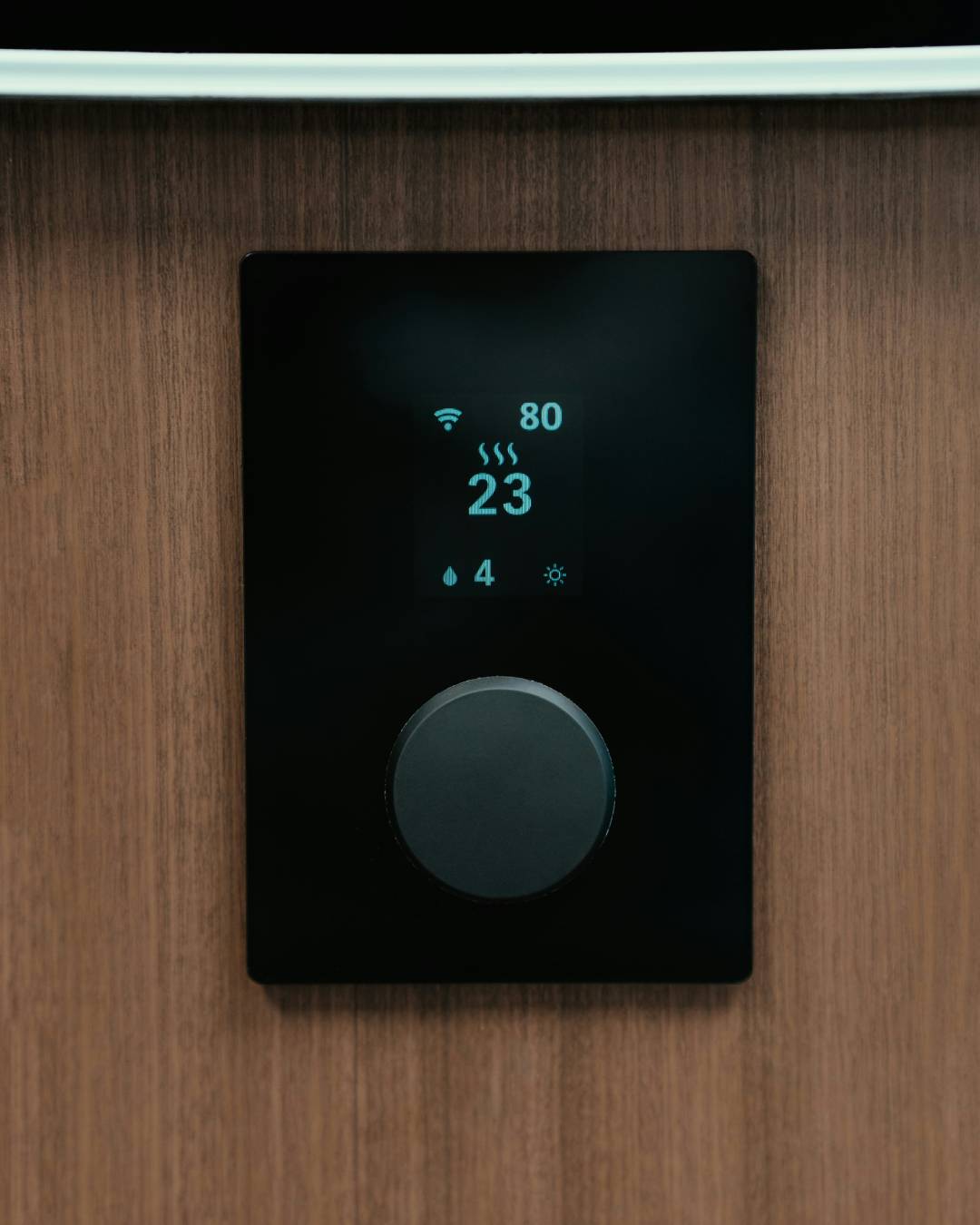
A smart thermostat is more than a programmable thermostat with a nicer screen. The key difference is that a smart thermostat can connect to your home Wi-Fi and use sensors and software to learn from your habits. Instead of you needing to remember to change the temperature every time you leave or go to bed, the thermostat can begin to predict your routine and automate those changes.
Traditional programmable thermostats simply follow a fixed schedule that you enter by hand. For example, you might set it to 76 degrees from 8 a.m. to 5 p.m. and 74 degrees in the evenings. If your schedule changes, that thermostat has no way to adjust unless you walk over and re-program it. A smart thermostat, by contrast, can adjust based on occupancy sensors, patterns it sees over time, or even your phone location through geofencing (with your permission), so it knows when you are actually away from home.
On the technical side, smart thermostats still work with your HVAC system using the same low-voltage control wires behind the wall. They send signals to your air conditioner, heat pump, and fan telling them when to turn on, off, or change stages. Many smart models also need a continuous source of power to run the screen, Wi-Fi radio, and internal processor. That power usually comes from a common wire, often called a C-wire. Older homes in Wake Forest sometimes do not have a C-wire run to the thermostat location, which is one reason some do-it-yourself installs do not go as planned.
Because we have worked with everything from older single-stage systems to modern variable-speed units, we understand how these “smart brains” need to talk to your specific equipment. Our role is to help you choose a thermostat that can actually use its advanced features with your air conditioner or heat pump, instead of simply acting like a basic on-off switch with a fancy app.
How Smart Thermostats Improve Comfort in Wake Forest Homes
Comfort is often the first thing homeowners notice after a smart thermostat is installed and set up correctly. Instead of big swings between too warm and too cold, a well-configured thermostat can make smaller, smarter adjustments that keep your home feeling more consistent. This matters in Wake Forest, where muggy summer evenings and cool mornings can make a fixed schedule feel off by a couple of degrees in each direction.
Smart thermostats use learning and occupancy features to match conditioning to your real life. For example, if your family tends to leave the house by 7:30 a.m., the thermostat can learn that pattern and start easing the temperature up once the last person is gone, then begin cooling again before the first person returns. If your schedule shifts, motion sensors and geofencing can help the thermostat recognize that people are actually home and maintain your preferred comfort settings.
In our area, humidity plays a huge role in how comfortable a room feels. A thermostat that allows better control over fan operation and cooling cycles can help your system remove moisture more effectively. Longer, steadier cooling runs can pull more humidity out of the air than frequent short bursts, especially with systems that have variable-speed or multi-stage capability. With the right thermostat settings, your air conditioner does not have to overcool the air as much just to make the house feel less sticky.
We see common comfort complaints in Wake Forest homes, such as upstairs bedrooms that are always warmer, bonus rooms over garages that never feel right, or living rooms that cool quickly but warm up fast again. In many of these cases, a smart thermostat, used alongside good ductwork and proper system sizing, helps smooth out those differences by coordinating run times and setpoints more intelligently. After decades working on local homes, we know how to pair smart controls with your existing system to get the most out of what you already have.
Smart Thermostat Benefits for Energy Use and Bills
For most homeowners, the big question is whether a smart thermostat will help bring energy bills down. While exact savings vary from home to home, there are clear ways these devices can reduce waste. They are very good at turning the system down when no one needs full comfort, then bringing it back up at the right time so you do not feel the difference, but your energy use does.
Smart thermostats can automatically apply strategies like setback and setup, which are small adjustments to your normal temperature when you are asleep or away. For example, letting the temperature rise a couple of degrees during work hours, then cool back down before you return, can cut cooling time without making the house feel stuffy. The key is timing and moderation, especially in a humid climate. Extreme setbacks can work against you by letting humidity build up, which then takes more energy to remove when you come home and want to cool down quickly.
Many smart thermostats provide energy reports that show how long your system ran each day, how outdoor temperatures affected runtime, and which changes you made that seemed to reduce usage. Various studies from organizations such as ENERGY STAR and utility companies have reported that homeowners often see meaningful reductions in heating and cooling usage when they use programmable or smart thermostats correctly. Those numbers are always averages, not promises, but they show what is possible when the thermostat and the household habits work together.
Because we take a green-conscious approach, we look at these devices as one part of a broader efficiency plan. In some Wake Forest homes, tightening up leaky ductwork or sealing attic air leaks may do even more for your bills than a thermostat upgrade alone. In many cases, doing both, along with a smart thermostat that is actually programmed for your daily routine, creates a strong combination of comfort and efficiency.
Control and Convenience You Get With a Smart Thermostat
Beyond comfort and potential energy savings, smart thermostats offer day-to-day conveniences that fit busy family life in Wake Forest. Remote control is the feature most people talk about first. Using an app, you can check your home temperature from your office in Raleigh, your kids’ ball game in Rolesville, or while sitting at Raleigh-Durham International Airport before a trip home. If your plans change, you can adjust the temperature quickly without needing to call someone at the house.
Alerts and reminders are another practical benefit. Many smart thermostats can remind you when it is time to change your air filter, which helps your system breathe easier and run more efficiently. Some models can notify you if your home is not reaching the set temperature, or if the system is running much longer than normal, which can be an early sign that something needs attention. That kind of early warning can help you catch issues before they turn into an AC failure on a 95-degree afternoon.
For homeowners who enjoy smart home technology, these thermostats can often tie into voice assistants and other connected devices. Even if you are not interested in building a fully connected home, simple voice control, such as adjusting the temperature while your hands are full in the kitchen, can be a pleasant bonus. The important thing is that these integrations support your comfort and energy goals, instead of becoming distractions from them.
Because we operate with paperless, modern systems ourselves, we are comfortable helping you connect your new thermostat to your Wi-Fi, download the right app, and walk through key settings. Our technicians do not just mount the device on the wall and leave. We aim to leave you with a thermostat that is actually configured to your needs and an app you feel confident using.
Compatibility, Wiring, and When DIY Becomes a Headache
One of the biggest surprises for homeowners is that not every smart thermostat works with every HVAC system out of the box. Compatibility goes beyond whether the wires line up with the letters on the backplate. Your system type and features matter, and the thermostat must be set up to match them or you can lose performance, comfort, or even shorten the life of components over time.
In the Wake Forest area, we see a lot of different configurations. Some homes have simple single-stage air conditioners and furnaces. Others have two-stage or variable-speed equipment, which can run at different output levels to fine-tune comfort and efficiency. Many homes rely on heat pumps with electric auxiliary heat, which behave differently in mild and very cold weather. Some properties are zoned, with more than one thermostat controlling different parts of the house. A smart thermostat has to be configured to understand whether it is running a single-stage AC, a two-stage heat pump with auxiliary heat, or something more complex.
Wiring is another sticking point. Smart thermostats typically need a C-wire to provide continuous low-voltage power. Older systems often have only enough wires for basic control, without a dedicated common wire connected to the thermostat location. Some retail thermostats include adapters or “add-a-wire” kits to work around this, but they are not always ideal for every system. We often see DIY installs where the thermostat powers up, but the system short cycles, will not start, or certain modes do not work because the wiring or configuration is off.
Beyond wiring, the internal settings of the thermostat need to match your equipment. A thermostat set up for a single-stage system on a two-stage or variable-speed unit may cause it to behave like a basic on-off system, wasting the advanced performance you paid for. A thermostat that does not recognize heat pump auxiliary heat may bring on electric strips more often than needed, which can be costly. These are the kinds of issues that do not show up on the box, but they show up in your comfort and your bill.
Because we have been installing and servicing residential and commercial systems in the Raleigh-Durham area since 1990, we are familiar with the full range of equipment in local homes, from older units to the newest high-efficiency models. We can look at your air handler, outdoor unit, and control wiring, then recommend a smart thermostat that fits your setup. We then handle the wiring, configuration, and testing so your system and thermostat speak the same language from day one.
When a Smart Thermostat Makes the Most Sense
Smart thermostats are powerful tools, but they are not a perfect fit for every household. The homeowners who see the most benefit in our area usually have variable schedules, higher-than-average energy bills, or comfort issues that come and go depending on time of day. If your family is out of the house during work and school hours, or you travel frequently, a smart thermostat can reduce unnecessary cooling while still making sure the home is comfortable when you walk in the door.
They also make sense when you want better insight into how your system runs. If you like to see data, such as daily runtime or how much your settings seemed to change usage, the reports many smart thermostats provide can be eye-opening. Those reports can help you fine-tune your settings and understand how much difference a one-degree change makes in your particular home, instead of guessing.
There are situations where the benefits are more modest. For example, if you live in a small, well-insulated home and someone is home almost all day, every day, and you keep the temperature steady, the energy savings from schedule-based adjustments may not be dramatic. You might still appreciate the convenience of remote control and alerts, but the payback period, in pure dollar terms, could be longer. Also, if your main problems are things like poor insulation, leaky ducts, or an undersized system, those issues need to be addressed along with, or even before, a thermostat upgrade.
Part of our job is to be honest about that. We talk through how you live in your home, what your current bills look like, and what comfort issues you notice. Sometimes a mid-range smart thermostat with solid scheduling and reporting is a better fit than the most expensive model with every possible feature. Our goal is to match the level of control to your needs and budget so you get value, not just a flashy new device on the wall.
Choosing and Installing a Smart Thermostat With Mechanical HVAC Services
If you are considering a smart thermostat, the next step is to make sure the model you choose will work well with your existing system and your daily routine. At Mechanical HVAC Services, we start by looking at your current equipment, including the outdoor unit, indoor air handler or furnace, and the wiring at your existing thermostat. We also ask questions about your schedule, typical setpoints, and any comfort trouble spots in your home.
Once we understand your system and your goals, we recommend one or more smart thermostat options that match your equipment type and feature needs. During installation, our technicians handle any wiring upgrades that may be needed, connect the thermostat correctly, and set internal configuration options so it knows exactly what kind of system it is controlling. We then walk you through basic operation and app setup so you know how to use schedules, remote access, and key comfort features from day one.
Our work on your system is backed by warranties and our 100% satisfaction guarantee, and we offer flexible scheduling so installation fits into your life, not the other way around. If anything seems off after the install, our 24/7 emergency service means you have someone to call, day or night. Our technicians treat your home the way they treat their own, and our paperless operation keeps documentation and settings easy to access later.
If you are ready to see whether a smart thermostat makes sense for your Wake Forest home, we can help you look at the whole picture, from comfort to compatibility. Contact Mechanical HVAC Services to schedule a visit, and we will help you choose and install a smart thermostat that works with your system and the way you live.