New HVAC Systems as low as $125 per month *subject to credit approval


Variable Refrigerant Flow (VRF) Systems
Serving the Triangle Area Since 1994

Variable refrigerant flow (VRF) systems are commercial HVAC systems designed to regulate heating and cooling across multiple building zones using refrigerant-based heat transfer. These systems adjust refrigerant flow between outdoor compressors and indoor air handling units to maintain stable indoor temperatures throughout large buildings.
A variable refrigerant flow system distributes refrigerant through a network of piping connected to indoor units located in different zones of a building. By adjusting refrigerant volume based on zone demand, VRF systems maintain temperature control while allowing different spaces to operate independently.
Mechanical HVAC Services provides VRF system HVAC services in Wake Forest, NC, for commercial buildings that use variable refrigerant flow (VRF) equipment for heating and cooling. Call today!
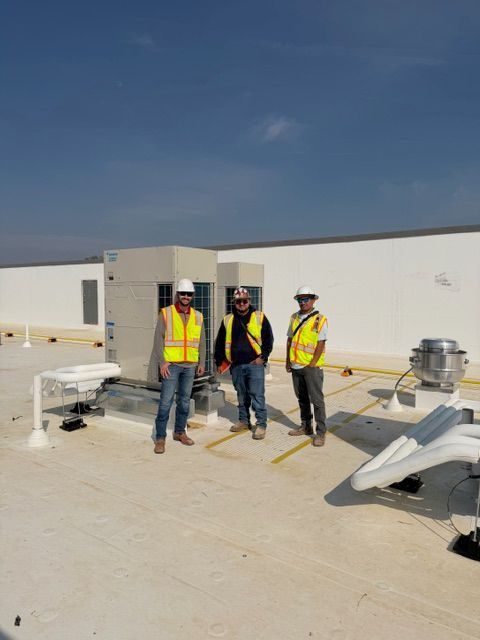
VRF System HVAC Services
VRF systems require specialized service procedures due to their communication controls, refrigerant distribution systems, and zoning capabilities. Service procedures focus on maintaining system balance and ensuring stable communication between indoor and outdoor components.
VRF system HVAC services may include:
- Installation of VRF equipment and refrigerant piping networks
- System diagnostics for zone communication errors
- Refrigerant pressure testing and system calibration
- Controller configuration and zone performance adjustments
- Inspection of indoor air handlers and outdoor compressor units
Routine system service helps maintain stable heating and cooling performance across building zones.
How VRF Systems Operate
A commercial VRF system uses variable-speed compressors that adjust refrigerant flow depending on heating or cooling demand within individual building zones. This type of zoning and system coordination is often planned alongside commercial construction services, where refrigerant distribution, control integration, and equipment placement are aligned with the building layout.
Indoor units communicate with the outdoor condensing unit through a control network that monitors temperature requirements. When demand changes within a zone, the system adjusts refrigerant flow to deliver the appropriate heating or cooling capacity.
VRF systems may operate in several configurations, including:
- Cooling-only systems are used for buildings requiring consistent cooling demand
- Heat pump VRF systems that switch between heating and cooling modes
- Heat recovery systems that provide heating and cooling simultaneously in different zones
These configurations allow building occupants to maintain different temperature settings across multiple areas within the same facility.
Components of a VRF System
Variable refrigerant flow systems contain several components that operate together to regulate heating and cooling throughout a building.
Typical VRF system components include:
- Outdoor condensing unit containing one or more compressors
- Multiple indoor air handling units are located throughout building zones
- Refrigerant piping networks connecting indoor and outdoor equipment
- Communication wiring connecting system controllers and indoor units
- A central system controller used for building temperature management
- Zone control panels or remote controllers
These components communicate continuously to maintain stable temperature control throughout the building.
Where VRF Systems Are Commonly Installed
VRF systems are often installed in buildings where zoning flexibility and energy management are important. The compact piping design and reduced duct requirements make VRF systems suitable for buildings with complex layouts.
Buildings that commonly use VRF systems include:
- Office buildings
- Hotels and hospitality facilities
- Schools and educational buildings
- Mixed-use commercial developments
- Medical and healthcare facilities
- Historic building renovations
Because refrigerant piping requires less structural space than traditional hydronic systems, VRF installations can often be integrated into buildings with limited mechanical room space.
Signs a VRF System Needs Service
Variable refrigerant flow systems may display warning signs when system performance begins to decline or when communication issues occur between indoor and outdoor units.
Indicators that a VRF system HVAC service may be necessary include:
- Uneven temperatures across building zones
- VRF system alarm notifications or controller error codes
- Indoor units failing to respond to controller commands
- Reduced heating or cooling output in certain zones
- Refrigerant pressure faults or system shutdowns
- Communication errors between indoor units and outdoor equipment
These symptoms may indicate refrigerant flow imbalance, communication faults, or component wear within the system.

We're Here to Help!
Get Your Free Estimate on System Replacements In The Research TriangleWhy VRF System Service Matters
VRF systems rely on coordinated communication between compressors, indoor units, and system controllers. Because refrigerant flow adjusts continuously based on building demand, maintaining system balance is important for stable operation.
Improper system operation may result in:
- Refrigerant pressure imbalance
- Reduced zone temperature control
- Increased equipment strain on compressors
- Communication faults between system components
Routine HVAC service for VRF systems helps maintain system calibration and supports consistent heating and cooling performance across building zones.
Choose Mechanical HVAC Services
Businesses choose Mechanical HVAC Services for VRF system support because we provide:
- More than 30 years of HVAC service experience
- Licensed HVAC technicians
- Residential and commercial HVAC services
- Experience servicing variable refrigerant flow systems
- A+ Better Business Bureau rating
Our technicians carefully evaluate HVAC equipment and perform service procedures to maintain reliable system operation. Schedule VRF services with our team today!
$50 Off
Any RepairOffer cannot be combined with any other promotions, discounts, or special offers. Terms and conditions may apply.
Expires: Aug 31, 2026
Expires: Aug 31, 2026
Contact Us Today!
Frequently Asked Questions
Read About Our Customers’ Recent Experiences

RWR
5 days ago
Highly recommend Mechanical HVAC Services. Broden C. provided outstanding customer service and took time to explain the causes of failure and his method of repair. He was patient and explained complex HVAC manners in a method I could easily follow. I will not hesitate to call this company when needed.


earlette conte
2 weeks ago
Broden the Technician was excellent. Answered all my questions and even offered to change out my filters. Very nice young man. Mechanical HVAC is a reliable and efficient company. I also entered into their annual maintenance program. Highly recommend.

Ramin Sanaie
3 weeks ago
Great Service Through Home Warranty
Mechanical HVAC Services, Inc. was assigned through my home warranty, and they were fantastic! They responded quickly, were professional, and completed the repair correctly the first time. I was very satisfied with the service and highly recommend them.
A special thanks to Cory, the technician. He was extremely knowledgeable, professional, and took the time to explain the issue and the repair process. He did an excellent job, and I truly appreciated his expertise and attention to detail. Outstanding service overall!
Mechanical HVAC Services, Inc. was assigned through my home warranty, and they were fantastic! They responded quickly, were professional, and completed the repair correctly the first time. I was very satisfied with the service and highly recommend them.
A special thanks to Cory, the technician. He was extremely knowledgeable, professional, and took the time to explain the issue and the repair process. He did an excellent job, and I truly appreciated his expertise and attention to detail. Outstanding service overall!

Diane D.
4 weeks ago
We sent a request for an issue involving our A/C unit and help was dispatched and the unit fixed within ½ a day. Every step was communicated including Broden's exact arrival time (which could be followed in real time). Broden quickly identified the issue and we're back at being cool! Thx Broden!

Justin Neumann
1 month ago
Great support from the company with an early Monday morning call. The technician, Bailey was very professional and got our air up and running again quickly.

Eddie Brown
2 months ago
Everyone at this company works hard to ensure you receive the best possible experience. They are very knowledgeable and take time to answer any questions and concerns. They are our “go to” HVAC company !

Chris
2 months ago
Great service, new system installed in June. I have a split system A/C and gas furnace. Couldn't be more pleasesd through out the entire process of estimation, answering my questions and scheduling. They care about doing grest work, however they showed me they care just as much about people; the customers they serve and their employees. What matters is highly skilled techs, what matters more is how we treat each in these buisness dealings. Mechanical gets more stars than I can select.

Scott Reel
2 months ago
Professional, thorough, and courteous.
Provide helpful information and answer questions clearly.
Provide helpful information and answer questions clearly.

Jean Holloway
2 months ago
Excellent and quick service on a hot Saturday morning!

Kevin Jones
2 months ago
Had a tech come to help solve a problem. Very knowledgeable and attentive. This company has been my hvac company for a couple years now. I’ve worked with many but they are my favorite.

Joe Kimray
2 months ago
Mechanical HVAC installed, and services our home unit and my business unit. One price includes both annual service calls - and they are always very quick to respond if there is an issue in between.
Great company - highly recommended.
Great company - highly recommended.

Johnny Johnson
2 months ago
Outstanding experience. Honestly and integrity means everything to me. My tech was all that. I highly recommend this company

Nevar Guy
2 months ago
Great experience as the technician was knowledgeable, informative and helpful in understanding our A/C issues.

Nevar Guy
2 months ago
The experience was great! The technician was knowledgeable and helpful.

Will Botti
2 months ago
Painless booking
Super service by “family man” Cory
Extremely detailed explanations
( I am clueless in many areas HVAC is one )
Dude also provided customized, maintenance tips for my entire hvac system!!

Eddie Brown
2 months ago
By far the best HVAC service I have used! Friendly knowledgeable staff. Will continue to refer them to clients, friends, and family

David Zarzar
2 months ago
Spend all day working hard and fixing a/c on a hot and sweltering day! Much appreciated!!

Ted Cecil
2 months ago
Excellent service , professional and quick. They are the greatest
Recent Reviews
Get Started Today!
Need to Replace Your Current HVAC System?
Mechanical HVAC has you covered! Get a FREE HVAC System Estimate