New HVAC Systems as low as $125 per month *subject to credit approval


Signs Your HVAC System May Be Undersized for Your Wake Forest Home
Serving the Triangle Area Since 1994

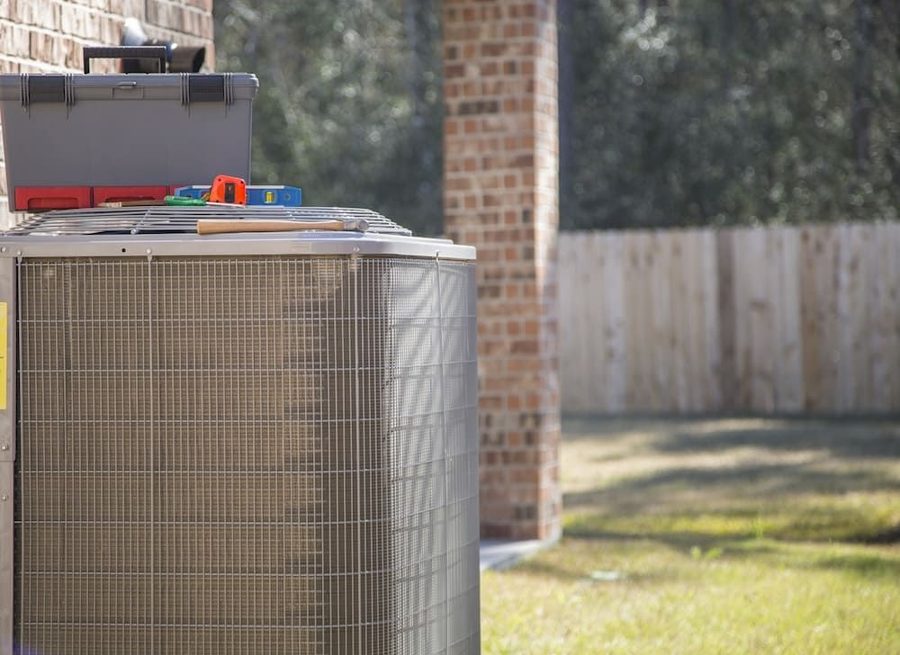
When living in Wake Forest, North Carolina, a reliable heating and cooling system isn’t a luxury; it is an absolute necessity. Between sticky, 90-degree summer afternoons and chilly winter nights rolling across the Piedmont, your HVAC unit works hard to keep your household comfortable year-round.
However, if your air conditioner or heat pump struggles to maintain your target indoor temperature during weather extremes, the problem might not be a mechanical breakdown or a dirty air filter. Your system might simply be undersized for your home’s square footage and thermal load.
An undersized HVAC system is one that lacks the total heating or cooling capacity (measured in BTUs or tons) required to effectively condition your living space. Mechanical HVAC Services has been delivering trusted, high-performance heating and cooling solutions across Wake Forest, Raleigh, and surrounding Wake County communities for years. This guide breaks down the physical warning signs of an undersized HVAC system, the mathematical realities of unit sizing, and how to restore true whole-home comfort.
What Does “HVAC Sizing” Actually Mean?
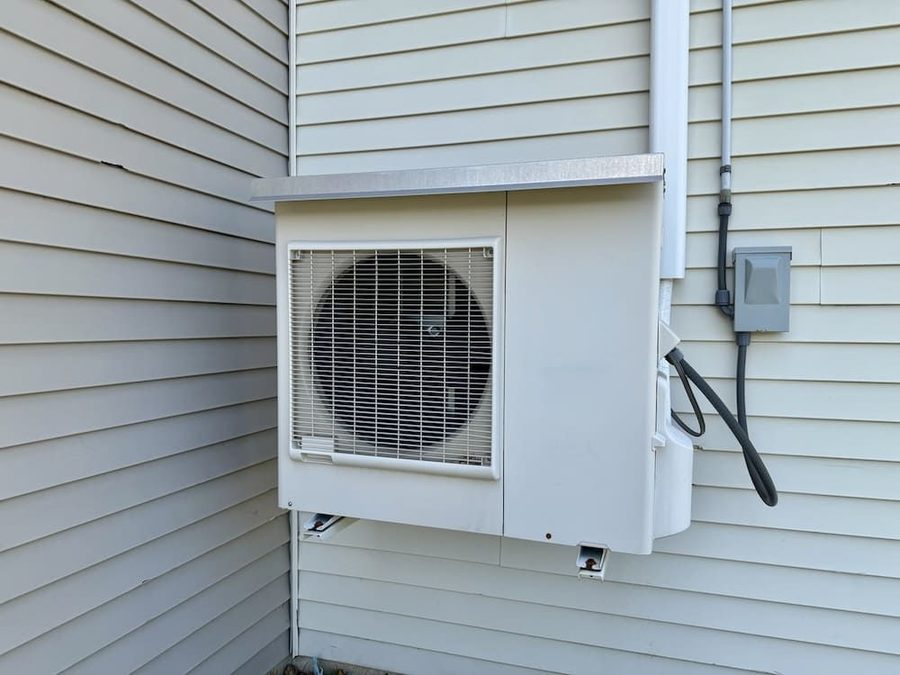
In the heating and cooling industry, HVAC “size” does not refer to the physical dimensions of the metal cabinet sitting outside your home. Instead, it refers to the system’s cooling and heating capacity.
A British Thermal Unit (BTU) measures the amount of heat required to raise or lower the temperature of one pound of water by one degree Fahrenheit. When an HVAC unit is installed, a technician must match the system’s total BTU output directly to your home’s unique size, layout, insulation levels, window placement, and sun exposure.
If an installer skips proper load calculations and selects a unit that is too small, the system will never be able to keep up with peak heat or cold.
5 Clear Signs Your Wake Forest HVAC System Is Undersized
An undersized HVAC system will show distinct operational symptoms long before it suffers a complete mechanical breakdown. Recognizing these warning signs allows you to address comfort liabilities before they damage your equipment.
1. The System Runs Nonstop Without Reaching the Thermostat Setting
During a hot July afternoon in Wake Forest, it is normal for your air conditioner to run long cooling cycles. However, if your system turns on at 11:00 AM and runs continuously without stopping until midnight, and the indoor temperature still sits 5 to 10 degrees above your thermostat setpoint, the unit lacks the total BTU capacity needed to remove heat faster than it enters your home.
2. High Indoor Humidity and “Clammy” Air
In humid regions like Central North Carolina, managing indoor moisture is just as important as managing air temperature. An undersized air conditioner is forced to run continuously at peak capacity, but because it cannot pull heat out of the home quickly enough, the indoor evaporator coil can get overwhelmed by high air volume. This leaves indoor air feeling heavy, sticky, and clammy, even while supply vents blow cool air.
3. Severe Temperature Imbalances and Room “Hot Spots”
Does your downstairs living room stay reasonably cool while your upstairs bedrooms or south-facing bonus room feel like a sauna? While multi-story homes naturally experience some temperature stratification, an undersized system lacks the static airflow pressure needed to push conditioned air to the furthest branch lines of your ductwork. Rooms farthest from the indoor air handler remain warm in summer and cold in winter.
4. Astronomical Monthly Energy Bills
Homeowners often assume that a smaller HVAC unit consumes less electricity than a larger one. In reality, the exact opposite is true. Because an undersized system runs continuously for hours on end trying to satisfy the thermostat, its electrical draw accumulates unchecked. A properly sized unit runs efficient, moderate cycles, shutting down when the target temperature is reached and saving energy dollars in the process.
5. Frequent Component Wear and Premature System Failures
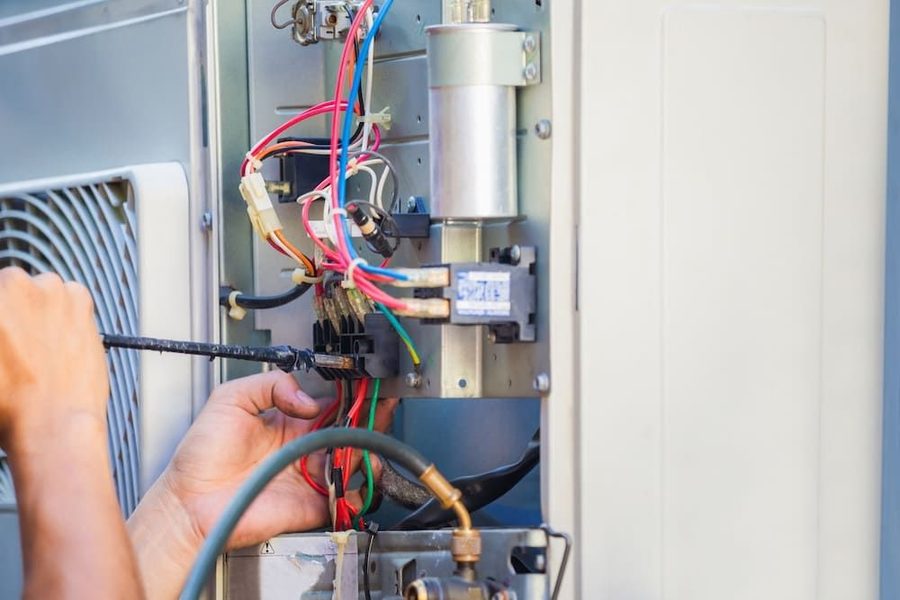
Running 24/7 under extreme thermal strain takes a heavy toll on your system’s mechanical infrastructure. Undersized units suffer from accelerated wear on blower motors, overheated compressor windings, and blown capacitors. If your system requires constant repairs during peak summer or winter months, continuous operational stress is likely shortening its lifespan.
Why Do Homes End up with Undersized HVAC Systems?
How does an undersized unit end up in a Wake Forest home in the first place? Several common scenarios lead to improper system capacity:
-
Rule-of-Thumb Equipment Sizing: Inexperienced contractors or budget builders often size HVAC systems using crude estimates based solely on total square footage (e.g., “1 ton per 600 square feet”). This ignores critical thermal variables like ceiling height, window efficiency, attic insulation levels, and home orientation.
-
Home Renovations and Finished Additions: If you finished a basement, converted an attic into a bonus room, or built a sunroom addition without upgrading your central HVAC equipment, your original unit is now forced to condition significantly more square footage than it was factory-engineered to handle.
-
Changes in Insulation or Home Envelope: Altering duct routing, adding large unshaded windows, or modifying room layouts changes the thermal dynamics of your home, rendering legacy HVAC units underpowered.
The Solution: A Manual J Heat Load Calculation
The only scientifically accurate way to determine the exact HVAC capacity your home requires is through a Manual J Load Calculation. Established by the Air Conditioning Contractors of America (ACCA), a Manual J calculation evaluates your home as a complete thermal system.
A certified technician from Mechanical HVAC Services measures:
-
Total interior square footage and ceiling cubic volume
-
Insulation R-values in walls, floor joists, and attics
-
Window quantity, glass type, frame material, and solar heat gain ratings
-
Exterior wall orientation and tree shade coverage
-
Ductwork leakage rates and air infiltration numbers
-
Occupant count and heat-generating household appliances
Using these precise data points, we calculate the exact BTU heating and cooling capacity required to keep every room in your home perfectly balanced through every season.
Restore True Comfort to Your Wake Forest Home
Putting up with a home that never quite stays cool enough in summer or warm enough in winter is exhausting. Beyond daily discomfort, forcing an underpowered HVAC system to run continuously drains your wallet through inflated energy bills and frequent repair costs.
Taking a proactive approach to your home’s heating and cooling capacity is the single best way to protect your equipment investment, lower monthly utility expenses, and enjoy consistent, whole-home comfort year-round.
Trust the Experts at Mechanical HVAC Services
You don’t have to guess whether your heating and cooling system is properly sized or struggle with hot and cold spots across your living spaces. The licensed, experienced team at Mechanical HVAC Services has been serving Wake Forest, Raleigh, Cary, Apex, and surrounding Triangle communities with science-based HVAC solutions for years.
Contact us today to schedule your HVAC replacement!
Get Started Today!
Need to Replace Your Current HVAC System?
Mechanical HVAC has you covered! Get a FREE HVAC System Estimate