New HVAC Systems as low as $125 per month *subject to credit approval


Indoor Air Quality Services
Serving the Triangle Area Since 1994

Enhance Your Indoor Air Quality
For better or worse, modern life is largely spent indoors. Because so much of our time is spent indoors, the air quality in those buildings significantly impacts our overall well-being.
Unfortunately, studies have found that indoor air in homes and commercial buildings can be up to 5 times more polluted than outdoor air.
When you are looking for a way to improve the indoor air quality in your home, Mechanical HVAC Services is here to help with our professional indoor air quality services in Wake Forest. We can work with you to determine the perfect system that suits your needs and achieves your goals.
Our indoor air quality systems in Wake Forest include:
Contact us to schedule quick and comprehensive indoor air quality service in Wake Forest, NC, or the surrounding areas today!
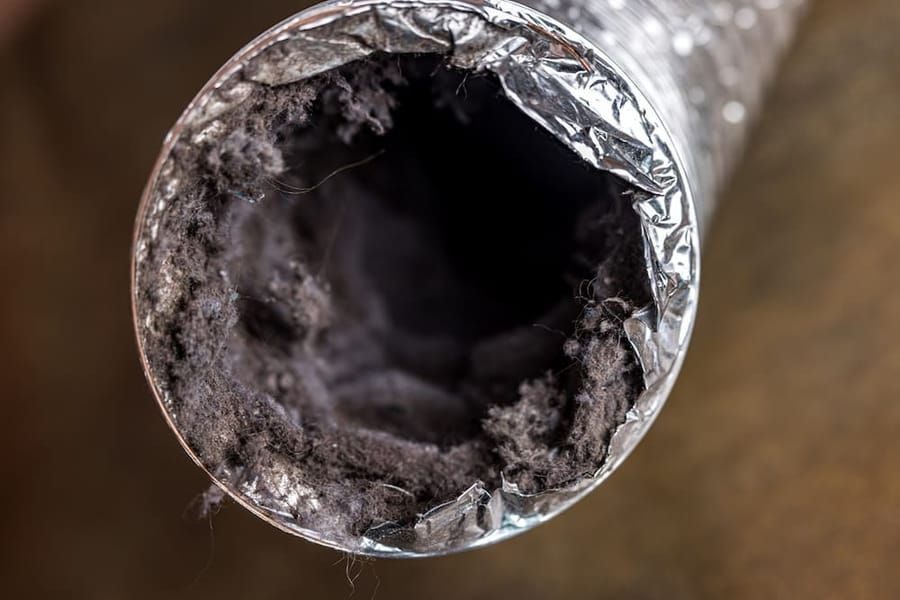
Effective Strategies to Improve Indoor Air Quality
A few simple ways you can help improve the air quality in your home include:
- Change AC filters
- Clean house
- Check the air duct
- Use an air purifier
- Allow fresh air in
- Keep carpets and rugs clean
- Reduce humidity in your home

We're Here to Help!
Get Your Free Estimate on System Replacements In The Research TriangleRecognizing the Signs of Poor Indoor Air Quality
Poor indoor air quality can manifest in various ways, and it’s important to be aware of these indicators to ensure a healthy living environment.
Some common signs of poor indoor air quality include:
- Respiratory issues: Persistent respiratory problems, such as coughing, sneezing, shortness of breath, or worsening asthma symptoms, may indicate poor air quality.
- Eye, nose, or throat irritation: Irritation of the eyes, nose, or throat can result from exposure to air pollutants, such as dust, mold, or volatile organic compounds (VOCs).
- Fatigue and headaches: Poor air quality can contribute to feelings of fatigue and headaches. Breathing in contaminated air may affect oxygen levels in the body, leading to tiredness and discomfort.
- Odors: Unpleasant or unusual odors in your home, such as musty, chemical, or persistent cooking smells, may indicate the presence of pollutants.
- Visible mold or mildew: The presence of mold or mildew on surfaces is a clear sign of excess moisture and poor air quality. Mold spores can become airborne and negatively affect indoor air quality.
- Dust accumulation: Excessive dust buildup on surfaces may indicate poor air quality. Dust can harbor allergens, pollutants, and other harmful particles.
- Increased allergy symptoms: If you notice sneezing, congestion, or skin rashes, it may be due to poor indoor air quality.
- Humidity issues: High humidity can contribute to mold growth and dust mite activity. On the other hand, low humidity levels can lead to dry skin and respiratory discomfort.
- Inadequate ventilation: Stale or stuffy air can result from poor ventilation. Proper ventilation is crucial for maintaining good indoor air quality by exchanging indoor and outdoor air.
- Carbon monoxide (CO) presence: CO is a colorless and odorless gas that faulty heating systems, stoves, or appliances can produce. Symptoms of CO exposure include headaches, dizziness, nausea, and confusion.
Why Choose Us For Air Quality Services?
If you suspect poor indoor air quality, it’s advisable to identify and address the potential sources of contamination. This may involve improving ventilation, reducing humidity, using air purifiers, and addressing specific sources of pollutants.
In severe cases, consulting with a professional indoor air quality service may be necessary to assess and improve the overall air quality in your home or workplace.
$50 Off
Any RepairOffer cannot be combined with any other promotions, discounts, or special offers. Terms and conditions may apply.
Expires: Sep 30, 2026
Expires: Sep 30, 2026
Contact Us Today!
Frequently Asked Questions
Read About Our Customers’ Recent Experiences

Virginia Houston
5 days ago
Cory showed up promptly and got our A/C working. He also gave us some great pointers for our upstairs unit. I would definitely recommend this company for HVAC repairs.


heather barkley
1 week ago
Quick response. Borden was very professional and hardworking! He took the time to explain and show me the problem and made sure everything was working properly.

Carl Schulz
2 weeks ago
Absolutely outstanding!
Great communications from everyone, quick response, comprehensive evaluation, accurate diagnosis, effective and efficient repairs, and reasonable cost.
And best of all, the technicians were fully capable, on-time, polite, and professional.
I was thoroughly impressed !
Wonderful job, Mechanical HVAC Services !!!
Great communications from everyone, quick response, comprehensive evaluation, accurate diagnosis, effective and efficient repairs, and reasonable cost.
And best of all, the technicians were fully capable, on-time, polite, and professional.
I was thoroughly impressed !
Wonderful job, Mechanical HVAC Services !!!

James Seymour
3 weeks ago
My technician Broden did an outstanding job. He knew exactly how to diagnose my problem and then skillfully fixed it! I am a VERY satisfied customer!

RWR
4 weeks ago
Highly recommend Mechanical HVAC Services. Broden C. provided outstanding customer service and took time to explain the causes of failure and his method of repair. He was patient and explained complex HVAC manners in a method I could easily follow. I will not hesitate to call this company when needed.

earlette conte
1 month ago
Broden the Technician was excellent. Answered all my questions and even offered to change out my filters. Very nice young man. Mechanical HVAC is a reliable and efficient company. I also entered into their annual maintenance program. Highly recommend.

Ramin Sanaie
1 month ago
Great Service Through Home Warranty
Mechanical HVAC Services, Inc. was assigned through my home warranty, and they were fantastic! They responded quickly, were professional, and completed the repair correctly the first time. I was very satisfied with the service and highly recommend them.
A special thanks to Cory, the technician. He was extremely knowledgeable, professional, and took the time to explain the issue and the repair process. He did an excellent job, and I truly appreciated his expertise and attention to detail. Outstanding service overall!
Mechanical HVAC Services, Inc. was assigned through my home warranty, and they were fantastic! They responded quickly, were professional, and completed the repair correctly the first time. I was very satisfied with the service and highly recommend them.
A special thanks to Cory, the technician. He was extremely knowledgeable, professional, and took the time to explain the issue and the repair process. He did an excellent job, and I truly appreciated his expertise and attention to detail. Outstanding service overall!

Diane D.
2 months ago
We sent a request for an issue involving our A/C unit and help was dispatched and the unit fixed within ½ a day. Every step was communicated including Broden's exact arrival time (which could be followed in real time). Broden quickly identified the issue and we're back at being cool! Thx Broden!

Justin Neumann
2 months ago
Great support from the company with an early Monday morning call. The technician, Bailey was very professional and got our air up and running again quickly.

Eddie Brown
2 months ago
Everyone at this company works hard to ensure you receive the best possible experience. They are very knowledgeable and take time to answer any questions and concerns. They are our “go to” HVAC company !

Chris
2 months ago
Great service, new system installed in June. I have a split system A/C and gas furnace. Couldn't be more pleasesd through out the entire process of estimation, answering my questions and scheduling. They care about doing grest work, however they showed me they care just as much about people; the customers they serve and their employees. What matters is highly skilled techs, what matters more is how we treat each in these buisness dealings. Mechanical gets more stars than I can select.

Scott Reel
2 months ago
Professional, thorough, and courteous.
Provide helpful information and answer questions clearly.
Provide helpful information and answer questions clearly.

Jean Holloway
3 months ago
Excellent and quick service on a hot Saturday morning!

Kevin Jones
3 months ago
Had a tech come to help solve a problem. Very knowledgeable and attentive. This company has been my hvac company for a couple years now. I’ve worked with many but they are my favorite.

Joe Kimray
3 months ago
Mechanical HVAC installed, and services our home unit and my business unit. One price includes both annual service calls - and they are always very quick to respond if there is an issue in between.
Great company - highly recommended.
Great company - highly recommended.

Johnny Johnson
3 months ago
Outstanding experience. Honestly and integrity means everything to me. My tech was all that. I highly recommend this company

Nevar Guy
3 months ago
Great experience as the technician was knowledgeable, informative and helpful in understanding our A/C issues.

Nevar Guy
3 months ago
The experience was great! The technician was knowledgeable and helpful.
Recent Reviews
Get Started Today!
Need to Replace Your Current HVAC System?
Mechanical HVAC has you covered! Get a FREE HVAC System Estimate