New HVAC Systems as low as $125 per month *subject to credit approval


Maintenance vs. Replacement: When to Stop Repairing Your Aging Wake Forest HVAC System
Serving the Triangle Area Since 1994

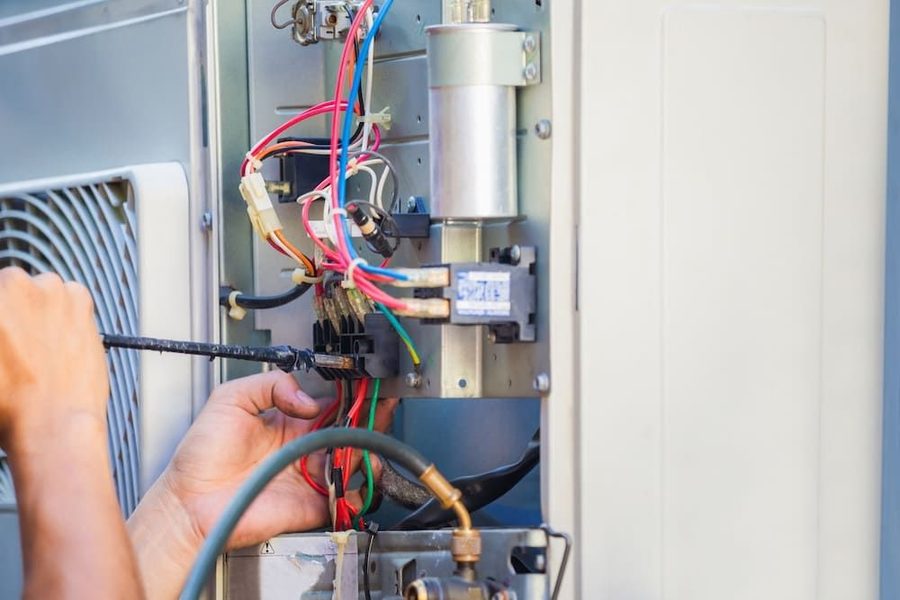
Regular HVAC maintenance and timely repairs can help your heating and cooling system operate reliably for years. Eventually, however, every HVAC system reaches a point where another repair may not be the best investment. As equipment ages, breakdowns can become more frequent, efficiency may decline, and keeping your Wake Forest home comfortable can become increasingly difficult.
Deciding whether to repair or replace an aging HVAC system is not always straightforward. Age is important, but it should not be the only consideration. Repair costs, system reliability, energy use, comfort, and overall equipment condition can all help determine whether maintaining your current system still makes sense or whether it is time to consider HVAC replacement.
How Do You Know Whether to Repair or Replace an HVAC System?
Repairing an HVAC system usually makes sense when the problem is relatively minor, breakdowns are infrequent, and the equipment continues to heat and cool your home effectively. HVAC replacement becomes worth considering when an aging system requires frequent or expensive repairs, becomes unreliable, or no longer provides the comfort and performance you expect.
There is no single rule that applies to every home. Looking at the complete condition and repair history of your equipment can help you make a more informed decision.
How Old Is Too Old for an HVAC System?
HVAC equipment has a limited service life, but there is no exact age when every system needs to be replaced. How long your equipment lasts depends on the type of system, installation quality, maintenance history, operating conditions, usage, and other factors.
Age Is an Important Starting Point
As an HVAC system gets older, normal wear accumulates across compressors, motors, electrical components, coils, and other parts.
An older system does not automatically require replacement. However, age provides important context when deciding whether an expensive repair is worthwhile.
Why Repairs Deserve More Scrutiny as Equipment Ages
Replacing one failed component does not make the rest of an older HVAC system new. Other parts continue to have the same years of wear and use.
If a major repair is needed on aging equipment, consider the overall condition of the system and whether additional repairs are likely. Investing significantly in one component may make less sense if other major parts are also deteriorating.
When Is HVAC Maintenance Still the Right Choice?
Preventive HVAC maintenance remains valuable throughout the life of your system. If your equipment is operating reliably, routine service can help support its performance and identify developing issues.
Your System Is Operating Reliably
If your HVAC system consistently reaches the thermostat setting, provides adequate airflow, and operates without repeated breakdowns, routine maintenance may be all that is currently necessary.
Maintenance allows a technician to inspect equipment, clean appropriate components, check system operation, and look for signs of wear.
Energy Use Has Remained Relatively Consistent
Energy bills naturally fluctuate based on weather, utility rates, and household habits. However, if your HVAC-related energy use has remained relatively consistent and your system continues performing well, there may be little reason to replace functioning equipment solely because of its age.
Maintenance Can Identify Problems Early
Routine HVAC maintenance can help uncover worn components or performance problems before they result in a breakdown.
However, maintenance cannot reverse advanced deterioration. If major components are repeatedly failing or overall performance has declined substantially, continued maintenance alone may not solve the underlying issue.
When Is Repairing an Older HVAC System Worth It?
An older HVAC system does not need to be replaced every time something goes wrong. Repair can still be a practical choice in many situations.
The Repair Is Relatively Minor
If the problem involves a manageable repair and the rest of the system is in good condition, fixing the issue may provide continued reliable operation.
The repair should be considered in the context of the equipment’s overall condition rather than age alone.
Breakdowns Are Infrequent
One unexpected HVAC repair is very different from needing service several times within a short period.
If your system has generally been reliable and experiences an isolated failure, repair may still be reasonable. A growing pattern of breakdowns, however, can indicate that several components are reaching the end of their useful life.
Your Home Is Still Comfortable
If your system maintains appropriate indoor temperatures and keeps your Wake Forest home comfortable throughout the heating and cooling seasons, replacement may not yet be necessary.
Declining comfort combined with frequent repairs can make replacement a stronger consideration.
What Are the Signs You Should Stop Repairing Your HVAC System?
The decision to stop repairing an HVAC system usually becomes clearer when several warning signs occur together. Homeowners should pay particular attention to reliability, repair frequency, performance, and operating costs.
You Need Frequent HVAC Repairs
Repeated service calls are one of the strongest reasons to evaluate whether continued HVAC repair makes financial sense.
A repair that keeps the system operating for years can be worthwhile. Repairing one component only to have another fail soon afterward can become frustrating and expensive.
Keep track of your system’s repair history. Seeing how much you have spent over the past few years can provide useful perspective when deciding whether to approve another repair.
Repair Costs Are Becoming Significant
The more expensive a repair becomes, the more important it is to consider the age and overall condition of the equipment.
Instead of asking only, “How much does this repair cost?” consider whether that money is better invested in restoring the existing equipment or put toward a new HVAC system.
There is no universal dollar amount that makes replacement the correct answer. The decision depends on what failed, equipment age, repair history, and the likelihood of additional problems.
Your Energy Bills Keep Increasing
Aging or deteriorating HVAC equipment may become less efficient over time, causing it to use more energy to maintain the same indoor conditions.
Higher energy bills alone do not prove that your HVAC system needs replacement. Weather, utility rates, insulation, air leaks, and household usage can all affect costs.
However, rising energy consumption combined with declining HVAC performance is worth investigating.
Your HVAC System Struggles to Maintain the Temperature
An aging system may begin running longer while struggling to reach the thermostat setting, especially during Wake Forest’s hotter summer days or colder winter weather.
Longer cycles can occur naturally during extreme temperatures, but a noticeable decline from previous performance can signal an equipment or home comfort problem.
Some Rooms Are Always Too Hot or Too Cold
Uneven temperatures can have several causes, including ductwork problems, insulation, airflow restrictions, equipment sizing, or HVAC performance.
If an aging system has become less capable of maintaining consistent comfort throughout your home, have the complete system evaluated before paying for another major repair.
Breakdowns Are Becoming Unpredictable
Reliability has value. Even if individual repairs remain possible, repeatedly wondering whether your HVAC system will make it through the next heat wave can be a reason to consider replacement.
A planned HVAC replacement gives you more control than waiting for equipment to fail completely during a period of heavy use.
How Much Is Too Much to Spend Repairing an Old HVAC System?
There is no single repair-cost threshold that applies to every HVAC system. Instead, compare the proposed repair with the condition and expected future reliability of the equipment.
Consider:
-
HVAC system age
-
Cost of the current repair
-
Number of recent repairs
-
Overall equipment condition
-
Current energy efficiency
-
Heating and cooling performance
-
Likelihood of additional component failures
Most importantly, avoid viewing the current repair in isolation.
A repair may solve today’s problem, but it does not eliminate the wear on every other component. If you have already invested heavily in repairs and another significant failure occurs, replacement may provide better long-term value.
Is It Better to Replace an HVAC System Before It Completely Fails?
In some cases, yes. Replacing an aging HVAC system before complete failure can give homeowners more time to research equipment, compare options, and schedule installation.
Planned Replacement Gives You More Options
When your current system is still operating, you have time to consider efficiency levels, equipment features, comfort goals, and your home’s heating and cooling requirements.
You can also schedule the work rather than needing immediate replacement because the house has suddenly lost heating or cooling.
Emergency Replacement Can Limit Flexibility
Complete HVAC failure during extreme weather can create an urgent situation. You may have less time to evaluate your options because restoring home comfort becomes the immediate priority.
Planning ahead can be particularly valuable if your aging system has already shown signs of declining reliability.
That does not mean every older system should be replaced preemptively. If your equipment remains dependable and repairs are minimal, continuing to maintain it may still make sense.
What Are the Benefits of Replacing an Aging HVAC System?
When continued repairs no longer make sense, replacing aging equipment can provide several advantages.
Depending on the system selected and your home’s needs, potential benefits include:
-
Improved heating and cooling reliability
-
More consistent indoor temperatures
-
Higher energy efficiency
-
Better humidity and comfort control
-
Quieter operation
-
Compatibility with modern HVAC controls
-
Variable-speed or variable-capacity technology on applicable systems
-
Reduced dependence on frequent repairs
A properly selected and installed system can also provide greater confidence that your home will remain comfortable during Wake Forest’s periods of high heating or cooling demand.
What Should Wake Forest Homeowners Consider Before HVAC Replacement?
HVAC replacement should involve more than purchasing a newer version of your existing equipment.
Before choosing a system, consider:
-
The condition of your current equipment
-
Your repair and maintenance history
-
Home size and layout
-
Ductwork condition
-
Current comfort problems
-
Insulation and air sealing
-
Heating and cooling requirements
-
Desired energy efficiency
-
Humidity concerns
-
Equipment features and controls
Proper installation is equally important. The right equipment needs to be correctly sized and installed to deliver the performance it was designed to provide.
Should You Repair or Replace Your Aging Wake Forest HVAC System?
Repair may make sense when the problem is isolated, repairs remain infrequent, the system continues performing reliably, and the cost is reasonable compared with the overall condition of the equipment.
HVAC replacement may make more sense when repairs have become frequent or expensive, performance is declining, energy consumption is increasing, or a major component fails on an already aging system.
The best decision considers both today’s repair and what you can reasonably expect from the equipment going forward.
Make the Right HVAC Decision With Mechanical HVAC Services
Deciding whether to maintain, repair, or replace an aging HVAC system can be difficult, especially when the equipment is still operating but becoming less reliable. A professional evaluation can help you understand the condition of your system and whether another repair makes practical sense.
Mechanical HVAC Services can evaluate your heating and cooling equipment, identify performance concerns, and help you explore your options. If maintenance or repair can keep your system operating reliably, that may be the appropriate next step. If your equipment has reached the point where continued repairs are no longer practical, we can help you evaluate HVAC replacement options for your Wake Forest home.
Contact Mechanical HVAC Services today to schedule HVAC service in Wake Forest and get the information you need to make a confident decision about your home’s heating and cooling system.
Get Started Today!
Need to Replace Your Current HVAC System?
Mechanical HVAC has you covered! Get a FREE HVAC System Estimate