New HVAC Systems as low as $125 per month *subject to credit approval


Are Heat Pumps a Good Choice for Wake Forest, NC Homes?
Serving the Triangle Area Since 1994

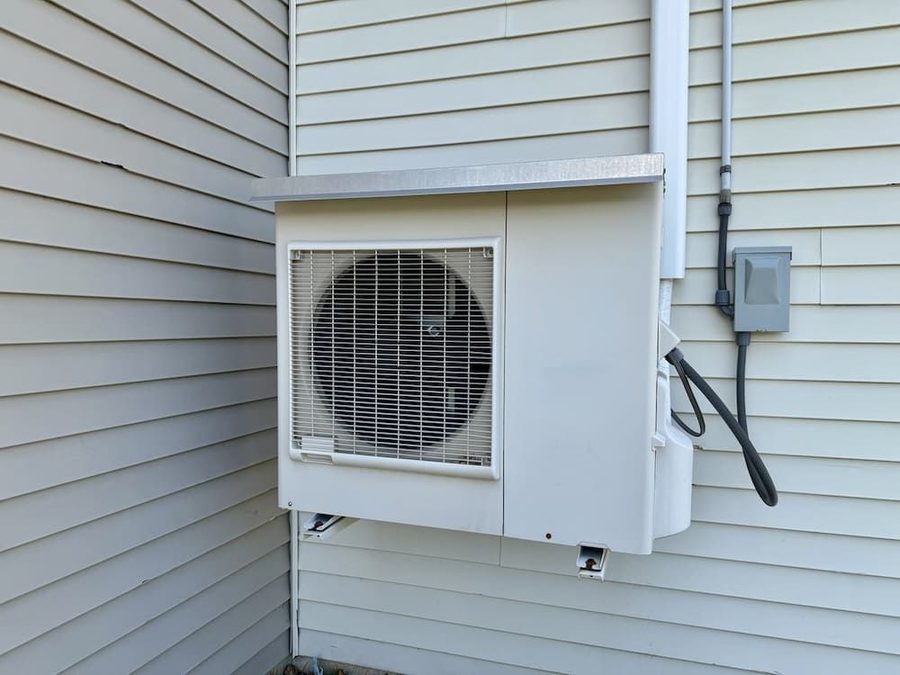
When it is time to replace an aging heating or cooling system, Wake Forest homeowners have several options. One increasingly common choice is a heat pump, which can provide both air conditioning and heating from a single system.
But is a heat pump a good fit for North Carolina’s hot, humid summers and cooler winters? For many Wake Forest homes, the answer can be yes. However, heat pump performance depends on choosing the right equipment, sizing it correctly, evaluating the home’s ductwork, and ensuring professional installation. Understanding how these systems work can help you decide whether a heat pump makes sense for your home.
Do Heat Pumps Work Well in Wake Forest, NC?
Heat pumps can be a practical heating and cooling option for many Wake Forest homes because they provide air conditioning during hot weather and reverse operation to provide heat when temperatures fall.
Modern heat pumps are available in a wide range of capacities and configurations, including models designed to maintain heating performance at lower outdoor temperatures. That means North Carolina homeowners should not assume they need a furnace simply because winter temperatures occasionally fall below freezing.
The key is selecting equipment appropriate for the home’s heating and cooling requirements.
How Does a Heat Pump Work?
An air-source heat pump moves heat between the inside and outside of your home.
During summer, it operates similarly to a central air conditioner. The system absorbs heat from inside your home and transfers it outdoors.
During heating mode, the process reverses. The heat pump extracts available heat from the outdoor air and transfers it inside.
A component called a reversing valve allows the system to change between heating and cooling modes. This ability to perform both functions is one of the primary reasons homeowners consider heat pumps when replacing HVAC equipment.
Why Can Heat Pumps Make Sense for Wake Forest’s Climate?
Wake Forest homeowners need HVAC systems capable of handling very different conditions throughout the year. Heat pumps are designed to provide both heating and cooling, making them worth considering for the local climate.
One System Provides Heating and Cooling
A heat pump can replace the heating and cooling functions that might otherwise require separate pieces of equipment.
The exact HVAC configuration will depend on your home, but a heat pump can provide year-round temperature control without requiring a separate combustion-based heating system in an all-electric setup.
Efficient Heating During Mild Weather
Rather than generating all of its heat through electric resistance, a heat pump transfers heat from outdoors into the home.
Its efficiency and heating capacity can change as outdoor temperatures fall, so equipment specifications matter. Modern systems vary considerably in how they perform during colder weather.
Air Conditioning for Hot Summers
A heat pump operates much like a central air conditioner during Wake Forest’s cooling season.
It can also remove moisture from indoor air as part of the cooling process. However, proper sizing is important. An oversized system may run shorter cycles, which can affect comfort and humidity control.
Can a Heat Pump Keep Your Home Warm During a North Carolina Winter?
Yes, an appropriately selected heat pump can provide heating during cold North Carolina weather.
Older assumptions that heat pumps cannot operate when temperatures fall below freezing do not accurately describe all modern equipment. Some heat pumps are specifically designed to maintain useful heating capacity at much lower outdoor temperatures.
That does not mean every heat pump performs identically. When choosing equipment, your HVAC contractor should consider the system’s heating capacity at different outdoor temperatures rather than relying solely on its nominal size.
What Is Auxiliary or Backup Heat?
Some heat pump systems include supplemental heating for conditions when additional heat is needed.
Electric heat pumps may use electric resistance heating as an auxiliary source. Other homes use a dual-fuel system that combines a heat pump with a furnace.
Seeing auxiliary heat appear on a thermostat does not automatically mean something is wrong. Depending on the equipment and controls, supplemental heat may operate during certain weather conditions, temperature changes, or system functions.
However, unusually frequent auxiliary heat use can sometimes indicate a performance, control, or equipment issue that deserves evaluation.
How Energy Efficient Are Heat Pumps?
Heat pump efficiency depends on the specific equipment and operating conditions.
When comparing systems, you may encounter ratings such as:
-
SEER2, which relates to seasonal cooling efficiency
-
HSPF2, which relates to seasonal heating efficiency
Higher efficiency ratings can indicate more efficient operation under standardized testing, but they do not guarantee a specific utility bill or percentage of savings.
Actual energy use depends on many factors, including outdoor weather, thermostat settings, insulation, air sealing, ductwork, system sizing, household habits, utility rates, and the equipment being replaced.
Heat Pump vs. Furnace: Which Is Better for Wake Forest?
There is no single answer for every home.
A heat pump provides both heating and cooling and can be used in an all-electric HVAC configuration.
A furnace and air conditioner use separate heating and cooling equipment. A gas furnace produces heat through combustion, while the air conditioner handles summer cooling.
A dual-fuel system combines a heat pump with a furnace. Depending on system design and controls, the heat pump can provide heating under certain conditions while the furnace serves as another heat source when appropriate.
Fuel availability, existing equipment, utility costs, comfort preferences, and installation requirements can all influence which configuration makes sense.
What Can Affect Heat Pump Performance?
Buying a high-efficiency heat pump does not automatically guarantee excellent comfort. The rest of the HVAC system and the home itself matter.
Potential performance problems can include:
-
Incorrect system sizing
-
Leaky or poorly designed ductwork
-
Restricted airflow
-
Dirty filters or coils
-
Insufficient insulation or air sealing
-
Refrigerant-system problems
-
Thermostat or control issues
-
Improper installation
Addressing these factors can be just as important as selecting the equipment itself.
Do You Need New Ductwork for a Heat Pump?
Not necessarily.
Existing ductwork may be suitable for a new heat pump if it is appropriately sized, sealed, and in good condition. However, replacing HVAC equipment is a good opportunity to evaluate the duct system for leaks, restrictions, damage, or design problems that could affect airflow.
Homes without suitable ductwork may also have ductless heat pump options, commonly called mini-splits. These systems can provide heating and cooling without a traditional central duct system.
What Should You Consider Before Installing a Heat Pump?
Choosing a heat pump should involve more than matching the size listed on your existing HVAC equipment.
Before installation, consider:
-
Heating and cooling load calculations
-
Heat pump capacity
-
Cold-weather heating performance
-
SEER2 and HSPF2 ratings
-
Existing ductwork
-
Electrical requirements
-
Supplemental heat needs
-
Thermostat compatibility
-
Manufacturer requirements
-
Installation quality
A professional load calculation can provide a better basis for equipment sizing than square footage alone.
How Important Is Heat Pump Maintenance?
Because a heat pump can operate during both cooling and heating seasons, regular maintenance is important.
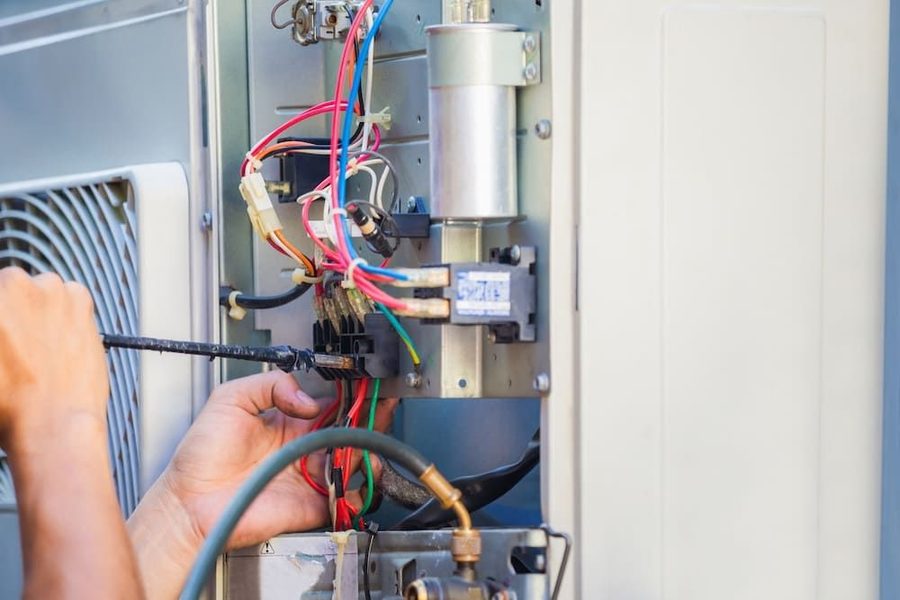
Maintenance needs vary by equipment and manufacturer, but homeowners should routinely check filters and keep the area around outdoor equipment clear of debris. Professional maintenance can also evaluate airflow, coils, electrical components, controls, drainage, and overall operation as appropriate.
Following manufacturer maintenance recommendations can help support reliable system performance.
Is a Heat Pump Right for Your Wake Forest Home?
Heat pumps can be a strong option for many Wake Forest homes, offering both heating and cooling from one system. However, choosing the right heat pump requires considering more than climate alone.
Your home’s heating and cooling requirements, ductwork, insulation, electrical system, existing HVAC equipment, and comfort preferences should all factor into the decision.
Explore Heat Pump Options With Mechanical HVAC Services
If you are considering replacing your HVAC system, a professional evaluation can help determine whether a heat pump is appropriate for your home.
Contact Mechanical HVAC Services to explore heat pump installation and replacement options in Wake Forest, NC. Our HVAC professionals can evaluate your home’s needs and help you select a properly sized system designed for reliable year-round comfort.
Get Started Today!
Need to Replace Your Current HVAC System?
Mechanical HVAC has you covered! Get a FREE HVAC System Estimate