New HVAC Systems as low as $125 per month *subject to credit approval


Can Furnace Maintenance Help Prevent High Heating Bills This Winter?
Serving the Triangle Area Since 1994

When winter temperatures drop in Wake Forest, NC, homeowners rely on their furnaces to maintain comfortable indoor temperatures. While North Carolina winters are generally milder than those in northern states, chilly mornings and occasional freezing temperatures can still increase heating demands.
If your energy bills seem higher than expected, your furnace’s condition may be part of the problem. Dirty filters, restricted airflow, and worn components can affect heating efficiency and cause unnecessary energy consumption.
Regular furnace maintenance can help identify these issues before they lead to higher operating costs or unexpected repairs.
How Regular Furnace Maintenance Affects Your Heating Costs
Yes, regular furnace maintenance can help prevent unnecessarily high heating bills by improving airflow, identifying worn components, and supporting efficient system operation.
A properly maintained furnace is better equipped to deliver consistent heating without avoidable performance problems.
However, maintenance cannot guarantee lower utility bills. Outdoor temperatures, energy rates, insulation, and thermostat settings also influence heating expenses.
Does a Furnace Tune-Up Really Save Money?
Professional furnace maintenance may help reduce energy waste by:
-
Identifying airflow restrictions
-
Detecting worn or malfunctioning components
-
Checking thermostat operation
-
Improving heating system reliability
-
Addressing problems that affect efficiency
Routine inspections can also help homeowners avoid certain repairs by identifying developing issues early.
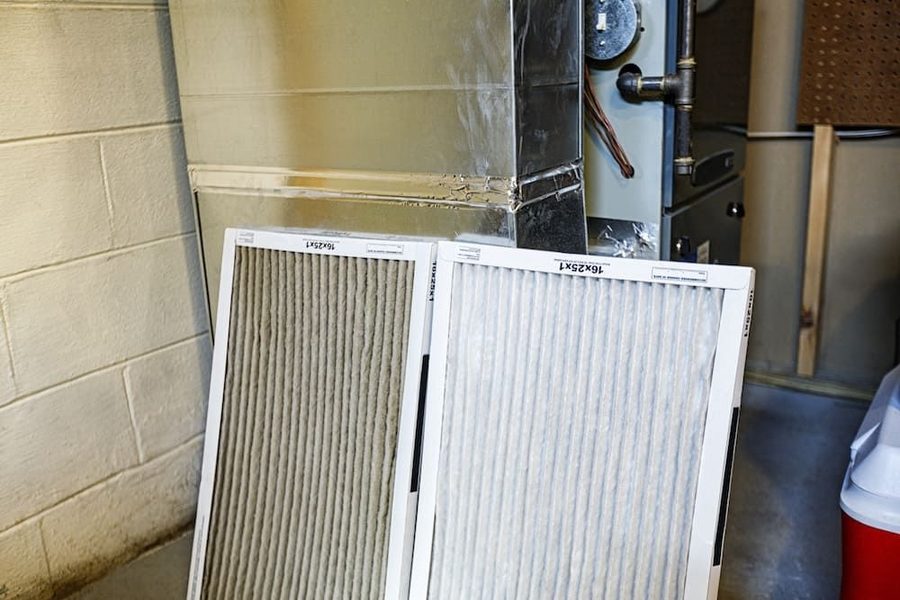
1. Dirty Air Filters Make Your Furnace Work Harder
One of the simplest maintenance tasks is replacing a dirty furnace filter.
As your heating system operates, its filter collects airborne dust and debris. Over time, this buildup can restrict airflow.
Reduced airflow may cause uneven heating, longer operating periods, or overheating in some systems.
How Often Should You Change Your Furnace Filter?
Check your filter monthly during periods of frequent heating use.
Replacement frequency depends on the filter type, manufacturer recommendations, and household conditions.
Homes with pets or higher dust levels may require more frequent changes.
Maintaining a clean filter supports proper airflow, but persistent heating problems may require additional inspection.
2. Dust and Debris Can Reduce Heating Performance
Dust doesn’t accumulate only on air filters.
Over time, debris can collect on blower components and other accessible areas of your heating equipment.
Excessive buildup may interfere with airflow or equipment operation.
What Does a Furnace Technician Clean During Maintenance?
Depending on the system’s condition, maintenance may include:
-
Inspecting blower components
-
Cleaning accessible areas as needed
-
Checking burners on applicable gas furnaces
-
Evaluating airflow
-
Looking for dust-related performance issues
The specific cleaning procedures depend on your furnace’s design and manufacturer requirements.
Professional maintenance helps identify buildup that homeowners may not be able to access safely.
3. Worn Furnace Components Can Increase Energy Waste
Furnaces contain mechanical, electrical, and control components that experience wear over time.
When these parts begin malfunctioning, heating performance may decline.
What Furnace Problems Can Increase Heating Bills?
Potential issues include:
-
Blower motor problems
-
Faulty sensors or controls
-
Ignition problems
-
Restricted airflow
-
Improper heating cycles
-
Combustion or venting problems in gas furnaces
Some issues affect efficiency, while others primarily create reliability or safety concerns.
A professional furnace inspection can determine whether maintenance, adjustments, or repairs are necessary.
4. Thermostat Problems May Cause Unnecessary Heating
Your thermostat controls when your furnace starts and stops.
Incorrect programming or malfunctioning controls can cause your heating system to operate when additional heat isn’t needed.
Can Adjusting Your Thermostat Lower Heating Costs?
Thoughtful thermostat settings can help reduce unnecessary heating.
Consider:
-
Using a comfortable, energy-conscious temperature
-
Programming lower temperatures when appropriate
-
Reviewing schedules after seasonal changes
-
Avoiding unnecessary heating while away
-
Checking whether the thermostat accurately reflects indoor temperatures
If your home uses a heat pump rather than a conventional furnace, thermostat setback strategies may differ.
5. Furnace Short Cycling Can Affect Efficiency
Short cycling occurs when your furnace repeatedly starts and stops before completing a normal heating cycle.
This behavior may indicate an underlying problem affecting system operation.
Why Does Your Furnace Keep Turning On and Off?
Common causes include:
-
Dirty air filters
-
Thermostat malfunctions
-
Restricted airflow
-
Overheating and safety-limit activation
-
Improper equipment sizing
Frequent cycling can affect comfort and contribute to unnecessary equipment wear.
If your furnace repeatedly shuts off before reaching the desired temperature, schedule professional heating service.
6. Neglected Maintenance Can Lead to Costly Repairs
Skipping routine maintenance may allow small performance problems to develop unnoticed.
A worn component or airflow restriction may eventually contribute to a more significant malfunction.
Can Furnace Maintenance Help Extend Equipment Life?
Regular maintenance can support equipment longevity by:
-
Identifying worn components
-
Maintaining proper airflow
-
Checking essential safety controls
-
Detecting developing problems
-
Reducing avoidable operating strain
Although maintenance cannot prevent every breakdown or guarantee a specific furnace lifespan, it supports reliable operation.
7. Ductwork and Airflow Problems Can Waste Heated Air
Even a well-maintained furnace may struggle to heat your home efficiently if the ductwork has problems.
Leaky ducts, disconnected sections, or blocked vents can reduce the amount of heated air reaching living spaces.
How Do You Know if Your Ductwork Is Affecting Efficiency?
Watch for:
-
Uneven temperatures between rooms
-
Weak airflow from vents
-
Excessive dust
-
Long heating cycles
-
Higher-than-expected energy bills
A professional HVAC inspection can help determine whether ductwork or airflow problems are contributing to poor heating performance.
What Happens During a Professional Furnace Tune-Up?
A professional furnace tune-up evaluates important components to help ensure the heating system operates properly.
Common Furnace Maintenance Tasks
Depending on the equipment, a technician may:
-
Inspect filters and airflow.
-
Check electrical connections.
-
Test thermostat operation.
-
Inspect blower components.
-
Evaluate ignition and burner operation.
-
Check safety controls.
-
Inspect venting on applicable systems.
-
Test overall heating performance.
Maintenance procedures vary by furnace type, age, and condition.
Additional Ways Wake Forest Homeowners Can Lower Heating Bills
Furnace maintenance is only one part of managing winter energy costs.
Improving your home’s overall efficiency can also reduce unnecessary heating demand.
Simple Winter Heating Efficiency Tips
-
Seal drafts around windows and doors.
-
Maintain appropriate attic insulation.
-
Keep supply and return vents unobstructed.
-
Use thermostat schedules thoughtfully.
-
Replace dirty air filters.
-
Use ceiling fans at a low speed in the appropriate direction to help circulate warm air.
-
Address heating performance problems promptly.
Combining these habits with professional maintenance can help your home retain warmth more effectively.
Wake Forest Winter Furnace Maintenance Checklist
Before colder weather arrives, review these essential tasks:
-
Check and replace dirty furnace filters.
-
Review thermostat settings.
-
Keep vents and returns clear.
-
Listen for unusual furnace noises.
-
Watch for short cycling.
-
Check for uneven heating.
-
Compare energy bills with similar previous periods.
-
Test carbon monoxide alarms if you use fuel-burning equipment.
-
Schedule professional furnace maintenance.
-
Address recurring heating problems.
Keep Winter Heating Costs Under Control With Mechanical HVAC Services
High heating bills aren’t always caused by colder weather alone. Dirty filters, worn components, thermostat problems, and airflow restrictions can contribute to unnecessary energy consumption.
Regular furnace maintenance helps identify these issues while supporting reliable heating throughout Wake Forest’s winter months.
Although no maintenance service can guarantee a specific reduction in energy bills, keeping your equipment in good condition is an important step toward managing heating expenses.
Mechanical HVAC Services helps Wake Forest homeowners maintain dependable heating through professional furnace maintenance and heating services.
Whether your energy bills are climbing, your furnace is running longer than usual, or you’re preparing for colder weather, professional maintenance can help identify potential problems.
Contact Mechanical HVAC Services today to schedule furnace maintenance in Wake Forest, NC, and keep your heating system operating efficiently this winter.
Get Started Today!
Need to Replace Your Current HVAC System?
Mechanical HVAC has you covered! Get a FREE HVAC System Estimate