New HVAC Systems as low as $125 per month *subject to credit approval


Cost-Effective Furnace Maintenance Tips for Homeowners
Serving the Triangle Area Since 1994

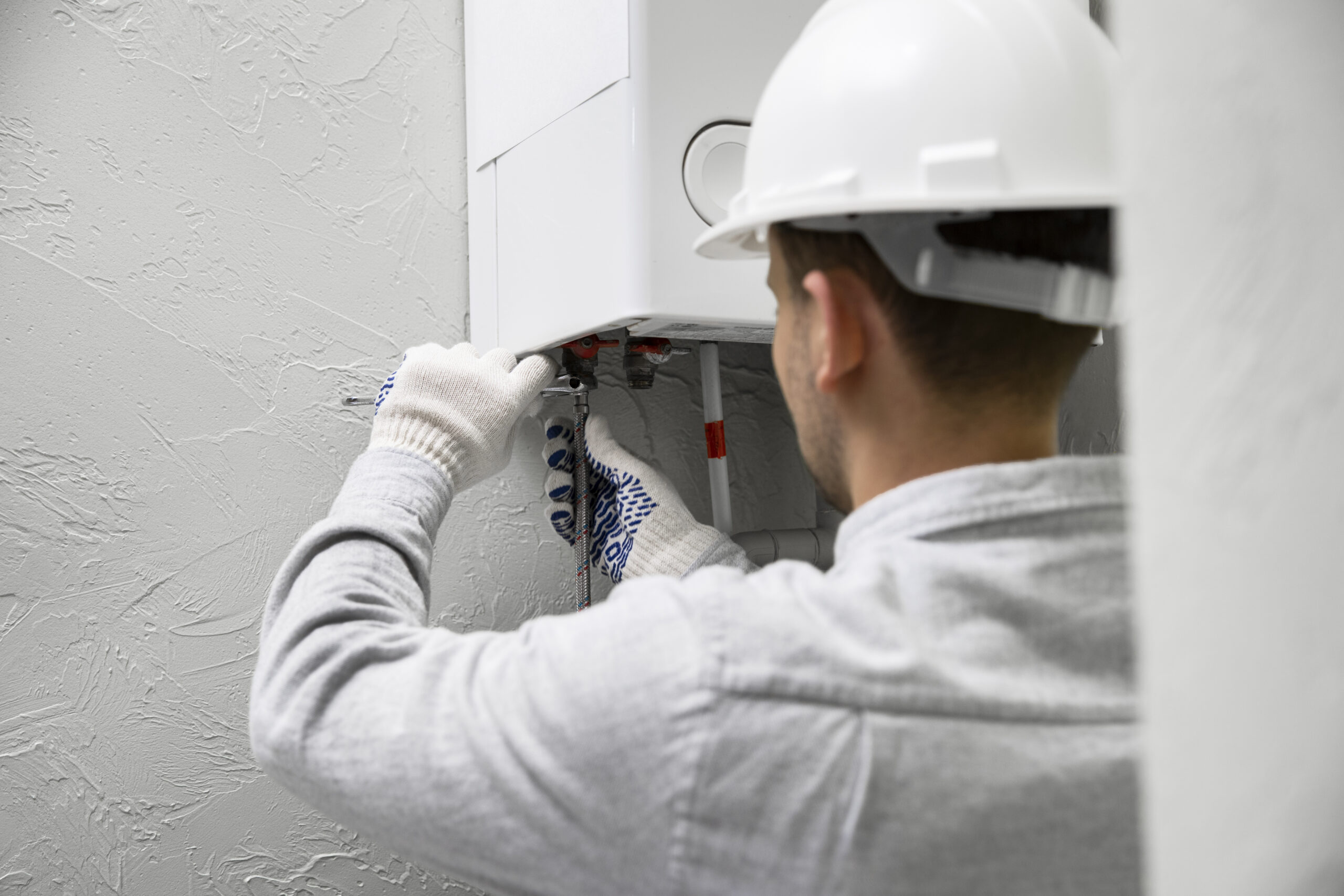
Every winter in Wake Forest, we meet homeowners who are caught off guard by a sudden spike in their heating bill or a furnace that quits on the coldest night, all because a few simple maintenance tasks slipped through the cracks. A lot of those issues look big and expensive on the surface. In reality, many start with small, preventable problems that build up over months or years.
If you are trying to keep your home comfortable without stretching your budget, every dollar you spend on heating matters. You want to know which furnace maintenance steps truly make a difference, which ones you can safely handle yourself, and when it is smarter to bring in a licensed HVAC company. Our goal is to give you clear, cost-effective tips that fit real life in Wake Forest homes, not a perfect-world checklist no one can follow.
We have been working on furnaces in Wake Forest and across the Raleigh-Durham area since 1990, so we have seen almost every way a heating system can be neglected, stressed, or saved. Heating can make up a significant share of a home’s winter energy use, so small improvements in how your furnace runs can show up on your utility bill. Drawing on more than 30 years of local experience, we want to walk you through the low-cost steps that protect your furnace, cut waste, and reduce the odds of a mid-season breakdown.
Why Furnace Maintenance Matters So Much in Wake Forest Homes
Wake Forest’s climate is hard on heating and cooling equipment, even if our winters are not the harshest in the country. We have humid summers, plenty of pollen in spring, and dusty conditions around ongoing growth and construction. All of that ends up in your home’s air and in your furnace filter. When filters and internal components collect more debris, your furnace has to work harder to move the same amount of air, which raises energy use and wear.
Inside a typical forced-air furnace, the blower pulls air from return vents, pushes it across the heat exchanger, then sends the warmed air through ductwork to supply vents in each room. When the filter or return path is restricted, the blower motor struggles against higher resistance. That extra strain shows up as longer run times, higher electric use, and higher temperatures inside the furnace cabinet. In gas furnaces, that extra heat can stress the heat exchanger. In both gas and electric models, the furnace’s safety controls may start shutting the system off early, which many homeowners notice as short cycling.
Over time, neglected maintenance does more than waste energy. Dust and dirt can insulate heat transfer surfaces so your furnace must burn more gas or run longer to deliver the same comfort. High internal temperatures can weaken components and cause premature failures that lead to repair bills you did not plan for. We have replaced countless blower motors, limit switches, and igniters in Wake Forest homes where a few basic maintenance steps would have extended the life of the system.
There is also a safety side to this. For gas furnaces, we want to see clean, stable combustion, a sound heat exchanger, and proper venting of flue gases. For electric furnaces, we want tight electrical connections and components operating within their designed temperature range. Routine maintenance does not just keep you warm. It helps protect against conditions that could lead to dangerous situations if left unchecked. After more than 30 years working on furnaces in this area, we have seen how regular, thoughtful maintenance affects both safety and efficiency over the life of a system.
Start With Airflow: Filters and Vents That Keep Your Furnace Breathing
When we are called to a Wake Forest home for poor heat or high bills, the first thing we look at is airflow. Your furnace needs to breathe. That starts with a clean filter and open, unobstructed return and supply vents. A clogged filter is one of the cheapest problems to fix and one of the most expensive to ignore.
The filter usually sits in a slot by the return duct, return grille, or inside the furnace cabinet. Its job is to catch dust, pet hair, and other particles before they reach the blower and heat exchanger. If the filter is dirty, the blower has to work much harder to pull air through. Static pressure rises, temperature across the heat exchanger climbs, and safety switches can trip. You may notice the furnace turning on and off more frequently, certain rooms not heating well, or a burning smell when the system first runs after a long break.
In Wake Forest, filters often load up faster than national averages suggest. Pollen, humidity that makes dust cling, and pets inside the home all play a role. Many national guides say you can change a basic one-inch filter every three months. In reality, we see better results when:
- Average homes without pets check the filter monthly and change it every 1 to 2 months.
- Homes with pets or allergies check monthly and are ready to change the filter roughly every 3 to 6 weeks.
- Homes near busy roads or construction lean toward the more frequent side of those ranges.
Vents matter just as much. Supply vents should be open and clear, not hidden under rugs or blocked by furniture. Return grilles need space around them so air can flow freely back to the furnace. In more homes than we can count, simply uncovering returns and opening closed room vents has evened out temperatures and lowered noise from the ductwork. We often find that a homeowner has tried to “force” more heat to certain rooms by shutting vents in others. That approach can increase pressure in the duct system, cause whistling noises, and put extra stress on the blower.
As a family-owned HVAC company, we have walked into many homes where the only thing wrong with the heating system was a filter that had not been changed in six months or longer. Once we install a fresh filter and clear blocked returns, comfort improves quickly and the furnace can run closer to its designed performance. This is one of the most cost-effective maintenance steps you can take, and it is completely within reach for most homeowners.
Use Your Thermostat to Save Money Without Sacrificing Comfort
After airflow, your thermostat has a major influence on how much you spend to heat your home. It acts as the control center for your furnace, sending a signal when the temperature drops below your setpoint and telling the system to shut off once the target is reached. Small changes in how you use it, and where it is located, can add up to noticeable savings without leaving your family cold.
We often see thermostats set to a single temperature around the clock. In a Wake Forest winter, nights can be quite chilly while afternoons are milder. Letting the temperature drift a few degrees lower while you sleep or while the house is empty, then bringing it back up before you wake or return, can cut unnecessary runtime. Programmable and smart thermostats make this easier by allowing you to set a schedule. When we install or service these, we help homeowners choose realistic setpoints and time blocks that fit their routine instead of relying on factory defaults.
Placement matters more than many people realize. If your thermostat is on a wall that gets direct sun, near a drafty door, or above a supply vent, it will not “see” the same temperature you feel in the rest of the room. That can cause the furnace to start and stop too often, a pattern known as short cycling. Short cycling wastes energy and puts extra stress on components like the blower motor and igniter. During maintenance visits, we often check for obvious placement problems and talk about options if the thermostat’s location is causing issues.
Even without an upgrade, you can use the thermostat more strategically. Avoid constantly nudging the temperature up and down every time you feel a draft. Large swings force the furnace to work harder, then overshoot, which can make rooms feel stuffy and then chilly again. Instead, pick a comfortable range and adjust in small, steady steps. Our motto, “Building a better today with tomorrow’s technology,” reflects how we work with modern controls to reduce wasted energy while keeping Wake Forest homes comfortable.
Simple Checks You Can Do Before Calling for Furnace Repair
As a homeowner, you do not want to pay for a service call if the fix is something you could have handled in a few minutes. At the same time, you do not want to risk your safety by opening panels or working on gas and electrical parts. There is a middle ground. Over the years, we have developed a short list of safe checks you can make before you pick up the phone.
First, confirm that the furnace has power. Many systems have a light switch-style control on or near the furnace cabinet. It can be accidentally turned off during cleaning or moving items around. Your electrical panel will also have a dedicated breaker for the furnace or air handler. If it is tripped, it will usually sit between the “on” and “off” positions. Resetting a tripped breaker once is reasonable. If it trips again, that points to a deeper issue that needs a technician.
Next, look at your thermostat settings. Make sure it is set to “heat” and that the temperature is above the current room reading. If it has a fan setting, understand the difference between “auto” and “on.” “Auto” means the fan only runs during a heating cycle. “On” runs the fan continuously, which can be useful for air circulation but may raise electric use. We occasionally arrive at homes where the system seems to “run all the time” simply because the thermostat fan setting was switched to “on” without the homeowner realizing what that meant.
Revisit your airflow. Check that return grilles are not blocked by furniture or piles of belongings and that supply vents are open in the rooms you want to heat. Listen for any new, unusual noises when the furnace starts, such as grinding, rattling, or high-pitched squeals. These sounds can signal internal problems like worn bearings or loose parts. At this point, you should stop at careful observation. Do not open sealed panels, do not adjust gas valves, and do not attempt to clean burners or internal wiring.
We often walk homeowners through these simple steps over the phone. If the issue turns out to be a flipped switch or mis-set thermostat, we would rather help you fix it quickly than charge you for a visit you did not really need. When the problem is not solved by these checks, that is the point where calling a licensed HVAC company is the safest and most cost-effective choice. Any smell of gas, smoke, or persistent burning should be treated as an urgent reason to shut the system off and contact us right away.
What a Professional Furnace Tune Up Really Includes
Many homeowners hear “tune up” and picture a quick look and a filter change. In reality, a thorough maintenance visit for a furnace involves a series of inspections, tests, and adjustments that most people never see. Understanding what happens during a tune up can help you see why it is worth including in your annual budget.
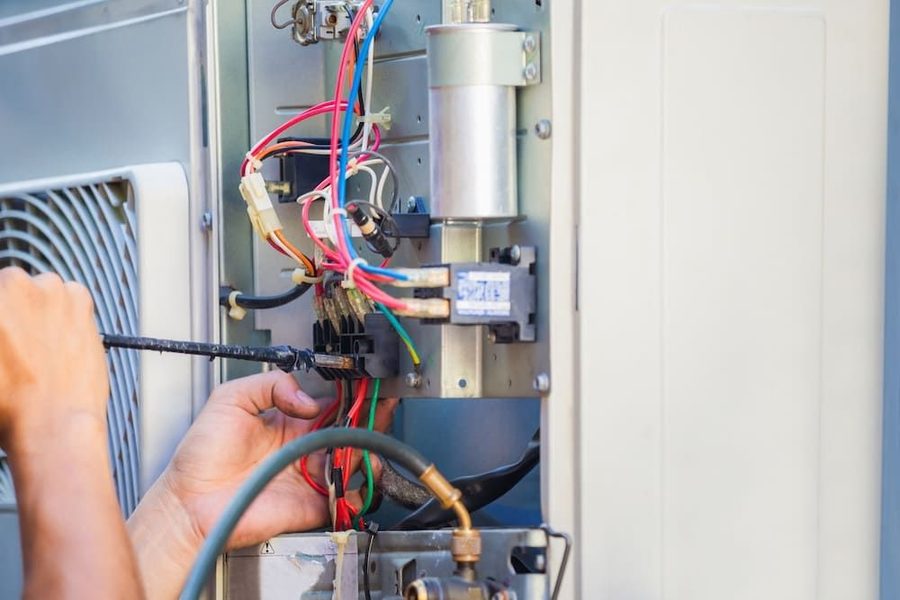
During a typical tune up, our technicians start with safety and basic operation. We check electrical connections for tightness and signs of overheating, then measure voltage and current where needed to confirm components are operating within their design range. In gas furnaces, we inspect the ignition system, burners, and flame pattern. In both gas and electric units, we verify that safety switches and controls respond the way they should. That includes high-limit switches that shut the furnace down if it overheats and other sensors that protect the system and your home.
We pay close attention to the heat exchanger and venting path in gas furnaces. The heat exchanger is the barrier that keeps combustion gases separate from the air that circulates through your home. We inspect it for visible signs of cracking, rust, or other damage and for clues that it might be overheating. We also check flue pipes and vent connections to confirm combustion byproducts are moving where they should. These are not areas a homeowner can safely evaluate on their own, and they are a key reason professional maintenance matters.
Airflow and cleanliness are another major focus. We examine the blower wheel and motor for debris buildup or imbalance, clean accessible components, and make sure the blower spins freely. We check the condition of the filter and look at signs of dust inside the cabinet that might point to air leaks or poor filtration practices. We may measure temperature rise across the furnace to confirm it falls within the manufacturer’s recommended range, which tells us whether the system is transferring heat efficiently.
Finally, we look for early wear and patterns. That might be a blower motor drawing more current than it should, a contactor that is starting to pit, or a relay that is operating slowly. Catching these issues early allows you to plan repairs on your schedule instead of dealing with a no-heat emergency. At Mechanical HVAC Services, our tune ups are built around a detailed checklist that we tailor to each system, and we back our work with a 100% satisfaction guarantee. We also use modern diagnostic equipment to make sure we are not guessing. The goal is to give you a clear picture of your furnace’s condition and the steps that will help it keep running smoothly.
Cost-Effective Maintenance Schedule for Wake Forest Homeowners
Knowing what to do is one thing. Fitting it into your year and your budget is another. A maintenance plan works best when it is simple enough to follow and realistic for your home. Based on what we see in Wake Forest and the broader Raleigh-Durham area, a cost-effective schedule combines regular homeowner tasks with one planned professional visit.
For most homes, checking the furnace filter once a month is a good habit. You may not need to change it every time, but a quick look lets you catch heavy buildup before it chokes the system. Pay extra attention in spring and fall, when pollen and leaf debris can increase dust levels. At least a couple of times each heating season, walk through your home and confirm return grilles and supply vents are open and clear, especially in rooms you use less often.
We recommend scheduling a professional furnace tune up about once a year. In our experience, early fall works well in Wake Forest. Your system has had a long rest from heavy heating, our schedule is more flexible than in peak cold snaps, and we can find and address problems before the first sustained chill. Waiting until the first very cold week often means longer waits and more pressure to patch things quickly. A planned visit in fall is usually more convenient and less stressful.
If your budget is tight, start with the basics. Commit to regular filter checks and one annual tune up. Over time, you can add other improvements, such as upgrading an older thermostat or addressing duct issues that show up during inspections. We work with many families over years, spreading out larger projects instead of pushing for everything at once. Our flexible scheduling makes it easier to pick times that fit your routine, so maintenance feels like a manageable part of home ownership instead of a disruption.
The point of a schedule like this is not perfection. It is about stacking small, consistent actions that keep your furnace running closer to its intended performance, which usually costs less over the life of the system than waiting for things to break. After three decades in this community, we see that homeowners who follow a simple plan like this deal with fewer emergencies and get more value from every year of furnace operation.
When It Is Time to Stop Repairing and Plan for Replacement
Even with the best maintenance, no furnace lasts forever. One of the most common questions we hear during tune ups is, “How long should this furnace last?” There is no single number that fits every system, but there are signs that suggest you are nearing the point where replacement is more cost-effective than another repair.
Many furnaces can operate reliably for well over a decade, especially if they have been maintained regularly and are properly sized for the home. Wear patterns, installation quality, and how often the system has had to run in past winters all influence actual life. We pay attention to how often repairs are needed and how serious they are. If you are facing repeated major repairs within a few years, or if a single repair approaches a significant fraction of the cost of a new system, it is usually time to talk about a plan.
During maintenance visits, we track the condition of your furnace over time. That ongoing relationship lets us see trends, not just snapshots. We may notice, for example, that a blower motor has been running near its limits for a couple of seasons, or that controls and safety components are starting to show age-related wear. Instead of waiting for a failure in the middle of a cold spell, we can help you decide whether to invest in another repair or start planning for replacement on a schedule that works for you.
Newer heating systems are typically more efficient than older ones, which can help offset some of the cost through lower operating expenses. As a green-conscious company, we focus on energy-efficient products that reduce wasted energy while keeping comfort high. When replacement makes sense, we discuss options and financing so you can choose equipment and timing that fit your budget. The goal is to avoid pouring money into a furnace that will continue to strain your wallet, and instead move to a system that gives you better performance and predictability.
Partner With a Trusted Wake Forest Team for Long-Term Furnace Care
Caring for your furnace does not have to be complicated or expensive. A clean filter, open vents, smart thermostat use, and a short list of simple checks go a long way toward keeping your system efficient and reliable. When you pair those habits with a thorough professional tune up each year, you give your furnace the best chance to deliver steady comfort without surprise breakdowns.
Choosing a local team you trust makes that even easier. Mechanical HVAC Services has been family-owned and operated in Wake Forest since 1990. Our technicians treat every home as if it were their own, arrive when we say we will, and leave your space as clean as we found it, often better. We back our work with a 100% satisfaction guarantee, use the latest equipment and technology, and stay focused on energy-efficient, green-conscious solutions that respect both your wallet and the environment.
If you have not had your furnace checked in a while, or if you are already noticing higher bills or uneven heat, this is a good time to act. Change your filter, walk through your vents and thermostat settings, then schedule a tune up before the next cold front settles in. Whether you live right in Wake Forest or elsewhere in the Raleigh-Durham area, our team is ready to help with routine maintenance and, when needed, 24/7 emergency service.
To talk through your options or book a furnace maintenance visit, call us today.
Get Started Today!
Need to Replace Your Current HVAC System?
Mechanical HVAC has you covered! Get a FREE HVAC System Estimate