New HVAC Systems as low as $125 per month *subject to credit approval


The NC Summer Swamp: How Your AC Fights Humidity (and How to Help It)
Serving the Triangle Area Since 1994


If you live anywhere near the Triangle or the Triad, you know the exact day it happens. You step outside in late May, and instead of a nice morning breeze, you get hit in the face by a thick, heavy blanket of moisture. The North Carolina “summer swamp” is officially back.
When the humidity levels skyrocket, our automatic reaction is to run inside and crank the thermostat down to 68 degrees. We usually judge how well our air conditioner is working by looking at that little digital number on the wall.
But here’s the thing most homeowners don’t realize: your air conditioner cannot effectively cool your home without removing the moisture first. Understanding how your system handles NC’s brutal humidity can save you a lot of money on your power bills and prevent a frustrating breakdown right when the July heat waves hit.
The Science: How an AC Actually Wrings Out Water
Most people think an air conditioner works by blowing “refrigerated air” into a room. In reality, it works by pulling heat and moisture out of your house.
Your indoor unit houses a component called an evaporator coil. As your system’s fan pulls the warm, muggy air out of your rooms through the return vents, it blows it directly across these freezing-cold copper coils.
Think about setting a cold glass of sweet tea on your porch in the middle of summer. What happens instantly? The outside of the glass starts “sweating” because the moisture in the air hits the cold surface and turns into liquid water.
Your AC coil does the exact same thing, just on a massive scale. It literally wrings the water right out of your indoor air. That water drips down into a pan and runs out of your house through a condensate drain line. Only after that heavy moisture is removed can the air temperature actually drop to where you want it.
Why High Humidity Is Brutal on Your HVAC System
When the humidity outside climbs past 80%, your AC has to work twice as hard to keep you comfortable. If your system isn’t running perfectly, that extra moisture causes a few major issues:
- The Frozen Coil Paradox: If your airflow is choked up by a dirty air filter or leftover spring pollen, the heavy condensation on your cold coils can instantly flash-freeze. Before you know it, your indoor unit is a literal block of ice, and your system will stop blowing cool air entirely.
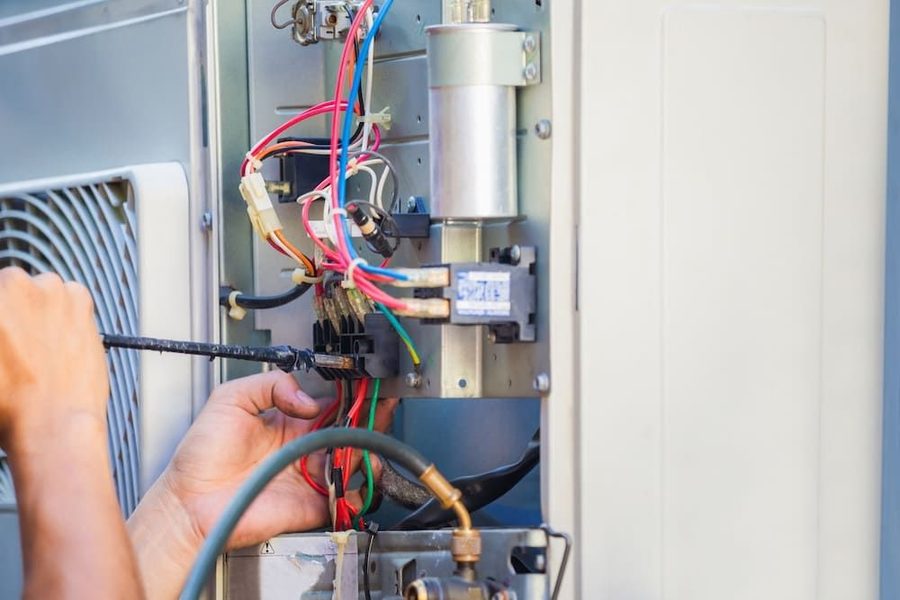
- Short-Cycling: If your system is oversized for your home, or if an electrical part like a capacitor is starting to fail, it will quickly lower the temperature and shut off before it runs long enough to pull the moisture out. You’re left with a house that feels cold but incredibly damp and clammy.
- Mold in the Ducts: If your AC can’t get the indoor humidity down below 50%, your home becomes a breeding ground for dust mites and mildew, especially inside your dark ductwork.
Quick Check: Your Thermostat’s “Fan” Setting. Go look at your thermostat right now. Is the fan set to “ON” instead of “AUTO”? If it’s set to ON, the fan blows nonstop, even when the system isn’t actively cooling. This actually blows the water sitting in your AC’s drain pan right back into your house before it can drain away, making your home more humid. Always leave it on AUTO.
3 Simple Ways to Help Your AC Survive the Summer
You don’t have to just sit back and let the humidity win. You can take a load off your system with a few easy habits inside the house:
- Change Your Filters Monthly: A clogged filter chokes off airflow. If the air moves too slowly across those cold coils, the dehumidification process breaks down and your energy bill spikes.
- Block the Blazing Sun: North Carolina summer sunshine streaming through your windows adds massive amounts of heat to your home. By closing your blinds or curtains during the hottest parts of the day, you prevent that extra heat from building up. This allows your AC to spend less energy fighting temperature spikes and more energy pulling out moisture.
- Run Exhaust Fans a Bit Longer: When you shower or cook, leave the bathroom or kitchen exhaust fans running for about 20 minutes after you’re done. This dumps that heavy steam directly outside, so your AC doesn’t have to fight it.
The Best Defense: A Quick Tune-Up
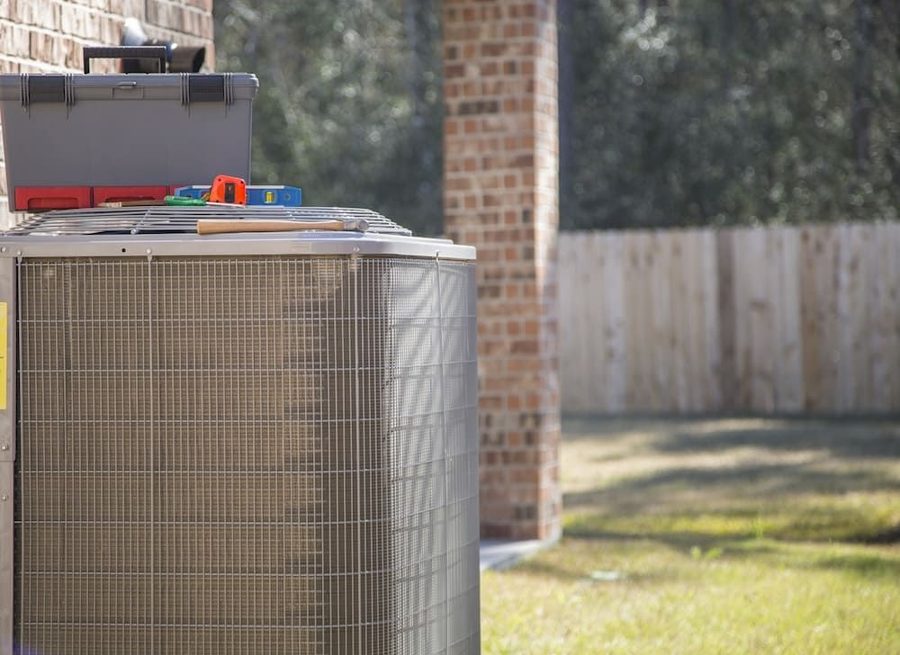
At the end of the day, an air conditioner can only pull out gallons of water if the system is properly calibrated. Cleaning delicate outdoor condenser coils (which are likely caked in spring pine pollen right now), checking refrigerant levels, and clearing sludge out of condensate drain lines are critical tasks that require professional tools and training.
We built our Maintenance Membership at Mechanical HVAC Services specifically to handle the demands of North Carolina weather. A quick precision tune-up keeps your system running efficiently, lowers your monthly power bill, and catches minor issues before they turn into emergency weekend breakdowns.
Don’t wait until your house feels like a swamp this summer. Check out our Maintenance Membership options today to keep your home dry, crisp, and cool all season long.

Get Started Today!
Need to Replace Your Current HVAC System?
Mechanical HVAC has you covered! Get a FREE HVAC System Estimate