New HVAC Systems as low as $125 per month *subject to credit approval


How North Carolina Humidity Affects HVAC System Performance in Wake Forest Homes
Serving the Triangle Area Since 1994

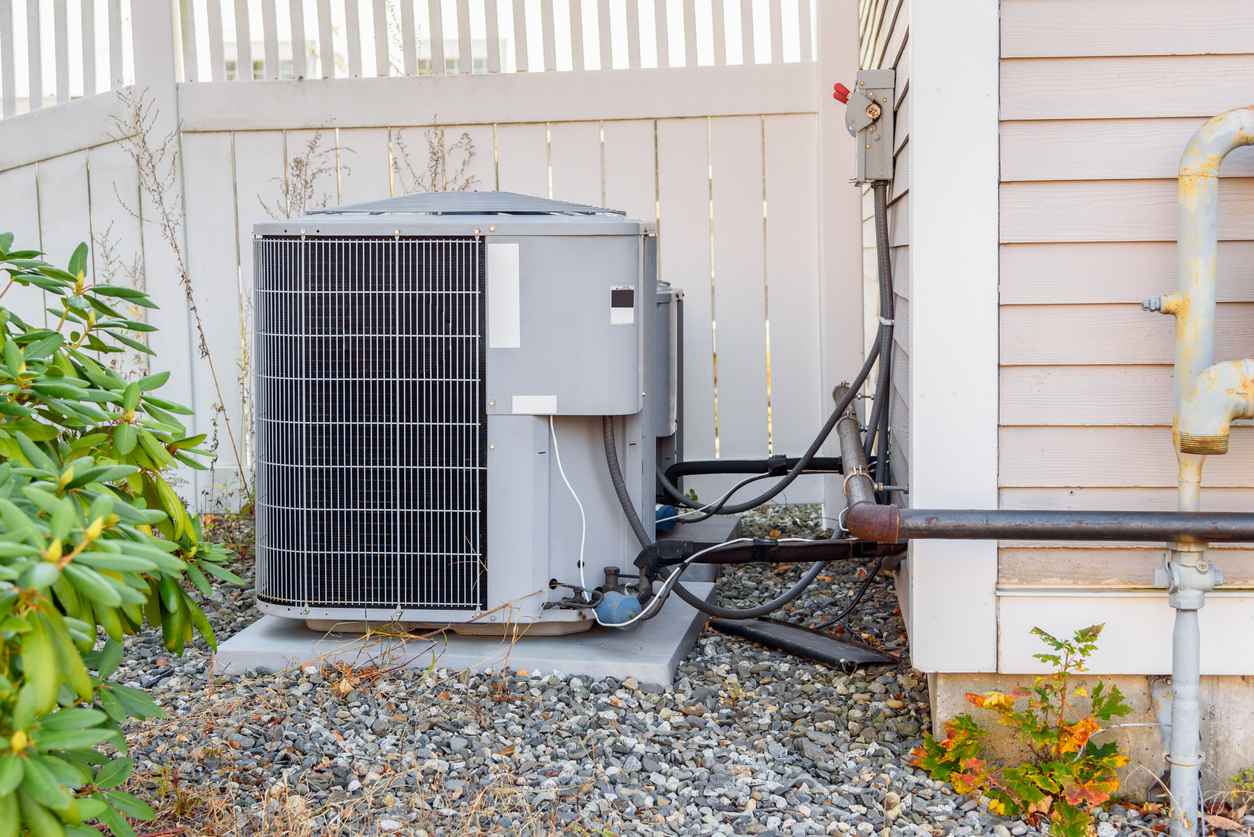
The Piedmont region of North Carolina is widely celebrated for its beautiful change of seasons, rich agricultural landscapes, and welcoming suburban communities. Living in Wake Forest, homeowners enjoy a gorgeous environment defined by historic oak trees, beautiful local parks, and distinct weather patterns. While our autumns and winters are generally moderate and crisp, the arrival of May and June ushers in a meteorological reality that tests the limits of residential infrastructure: intense, relentless southern humidity.
As warm, maritime tropical air masses roll inland from the Atlantic Ocean and the Gulf of Mexico, they settle directly over the state. The thick, moisture-rich air turns the outdoor atmosphere heavy and sticky.
Because your home’s heating, ventilation, and air conditioning system is your primary shield against this oppressive summer environment, it faces an immense operational challenge. Many homeowners view their air conditioner solely as a tool for lowering indoor temperature. However, managing the unique North Carolina climate requires looking deep into the physics of moisture control. At Mechanical HVAC Services, we have spent decades engineering and maintaining high-performance climate grids across the Triangle area. This comprehensive technical guide explores how regional humidity forces your cooling equipment to operate under extreme stress, why it accelerates component wear, and how modern technical solutions can safeguard your home comfort and air quality.
The Physics of Cooling: Sensible Heat vs. Latent Heat
To understand how heavy atmospheric moisture alters your system performance, you have to look at the differences between the two types of thermal energy inside your home. An air conditioner cannot successfully cool a room without balancing both sensible heat and latent heat.
Sensible Heat Management
Sensible heat is the thermal energy that you can directly feel on your skin and read on a standard wall thermometer. When the indoor temperature drops from eighty-two degrees down to seventy-three degrees, your system has successfully removed a portion of the sensible heat load from the building envelope.
Latent Heat Management
Latent heat is the hidden thermal mass stored completely within the water vapor suspended in your indoor air. Because Wake Forest summers bring incredibly high outdoor relative humidity, your home’s indoor air returns are continuously loaded with vapor volume.
An air conditioner is technically a heavy-duty dehumidifier by design. As the indoor blower motor pulls warm, damp air across the freezing copper and aluminum coils inside your indoor air handler, a rapid thermal drop occurs. The air quickly becomes oversaturated, meaning it can no longer hold its water vapor volume. This causes the hidden moisture to condense into liquid water droplets right on the metal face of the evaporator coil, stripping the heavy, sticky feeling from your rooms.
The Hidden Strains: How Humidity Overworks Your System
When the outdoor relative humidity percentages remain high for weeks on end, your system condensation loop must run at maximum capacity, creating specific mechanical vulnerabilities.
1. Massive Energy Consumption and Spiking Utility Bills
When a system is forced to handle high latent moisture loads, its thermodynamic efficiency drops naturally. The air conditioner must work twice as hard to remove the water vapor before it can effectively lower the sensible room temperature.
This requirement forces your equipment to run significantly longer, higher-friction cooling cycles. The indoor blower fan and outdoor compressor pump must continuously draw high voltage from your home electrical panel, causing your monthly summer utility statements to spike dramatically.
2. Accelerated Component Fatigue and Short-Cycling Failures
If your home features an older, single-stage cooling system or an oversized unit, high humidity triggers a dangerous mechanical pattern known as short-cycling.
An oversized system blasts the home with cold air, satisfying the wall thermostat temperature setting in a matter of minutes. However, because the running cycle is so short, the system shuts down long before the indoor coil has had a chance to stay cold enough to extract water vapor from the air. The temperature drops, but the moisture remains untouched, leaving you with a cold, clammy house. Turning on and off constantly subjects internal contactors, fan motors, and compressor valves to severe electrical and physical wear.
3. Evaporator Coil Freeze-Ups and Airflow Chokeholds
The heavy volume of water dripping off your indoor evaporator coil must drain away smoothly. However, if your home air filters are caked with summer pollen and dust, airflow becomes restricted.
Without a strong stream of warm indoor air to balance the thermodynamic cycle, the temperature of the wet evaporator coil will drop past the freezing point. The condensation instantly freezes into a solid block of ice, completely choking your ventilation paths, halting all cooling capabilities, and threatening your compressor with terminal liquid slugging.
The Biological Threat: Humidity and Indoor Air Quality
When your air conditioner struggles to maintain indoor relative humidity percentages below the optimal fifty percent threshold, your property infrastructure faces secondary biological liabilities.
- Mold and Fungal Cultivation: Dark, damp spaces like unconditioned basements, crawlspaces, and internal wall voids become prime breeding grounds for toxic mold spores when relative humidity stays above sixty percent. This growth ruins drywall and framing timbers while compromising your family’s respiratory health.
- Microbial Slime in Condensate Lines: The gallons of water pulled from your indoor air carry organic dust, skin cells, and pet dander into your primary drain pan. This mixture creates a thick biological sludge that can quickly block your PVC plastic drain line. The resulting water backup will overflow the pan, causing catastrophic ceiling damage and short-circuiting close electronic control modules.
Modern Technical Remedies that Restore Comfort Balance
If your home stays stubbornly sticky even when the air conditioner runs continuously, relying on legacy single-stage equipment is an expensive mistake. At Mechanical HVAC Services, we specialize in implementing advanced indoor air quality technologies that target regional moisture at the root.
Variable-Speed Inverter System Upgrades
To achieve absolute, uniform humidity control along the Piedmont, upgrading to a modern system featuring variable-speed compressor technology is the ultimate solution. Powered by advanced inverter electronics, these units do not turn completely on and off constantly. Instead, they can scale their operational output down to an exact fraction of their maximum capacity, often running at just thirty or forty percent capacity for hours at a time.
These extended, slow, and whisper-quiet run times keep air moving across the cold evaporator coils continuously. This continuous cycle scrubs gallons of excess water vapor from your home ecosystem daily, lowering your indoor relative humidity down to an optimal forty-five percent comfort zone while consuming minimal electricity.
Integrated Whole-Home Dehumidifiers
For properties dealing with extreme structural moisture loads, historic home layouts, or modern airtight building envelopes, installing a dedicated whole-home dehumidifier directly into your existing duct network is a highly effective remedy. This system operates in tandem with your primary HVAC unit but monitors moisture completely independently. When relative humidity crosses your pre-set threshold, the dehumidifier engages, extracts the water volume efficiently, and discharges it directly down a plumbing drain, allowing your primary air conditioner to focus solely on temperature control.
Smooth Performance Through Every Southern Season
Your residential central air conditioning system works tirelessly every single hour of the summer to defend your family’s safety, maintain healthy indoor breathing air, and deliver reliable comfort. Recognizing that North Carolina humidity places a unique thermodynamic burden on your equipment allows you to evaluate your home comfort grid with absolute confidence. Combining simple personal maintenance habits, like strict monthly air filter changes, with certified professional seasonal tune-ups completely eliminates unexpected mechanical liabilities and optimizes your monthly utility savings.
Don’t wait for a complete system breakdown during the next major summer heatwave to evaluate your equipment health. Mechanical HVAC Services has been the premier name for dependable, honest craftsmanship across the greater Wake Forest and Triangle area. Our fully licensed, background-checked, and NATE-certified technicians handle all brands and models with absolute precision, providing flat-rate upfront pricing clarity and a total commitment to your home safety.
Contact Mechanical HVAC Services today to schedule your cooling system inspection and indoor moisture audit, and experience the true peace of mind that comes from an engineered comfort solution.
Get Started Today!
Need to Replace Your Current HVAC System?
Mechanical HVAC has you covered! Get a FREE HVAC System Estimate